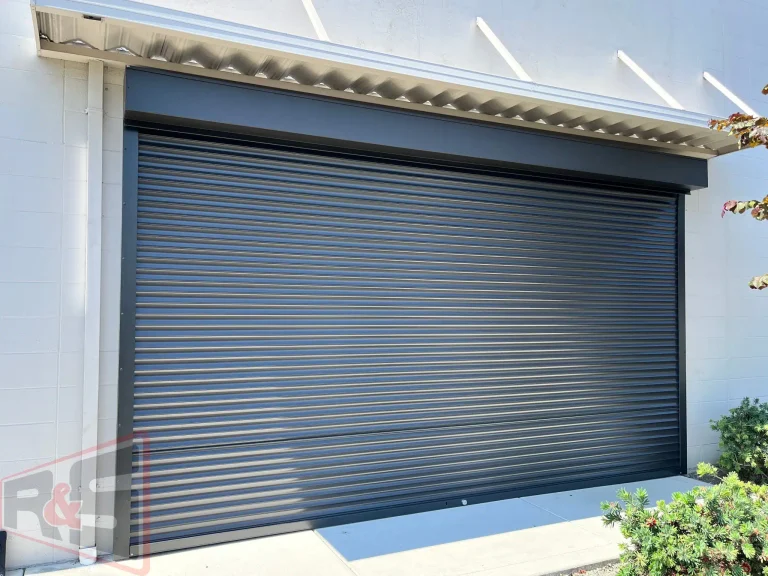
Choosing a commercial rolling door is not as simple as selecting the first option that fits your budget. The door you install will handle daily stress, protect your inventory, and affect how smoothly your facility operates for years to come. Making the wrong choice upfront often means higher maintenance costs, more frequent repairs, and a door that simply does not perform the way your business needs it to.
Business owners and facility managers across Sacramento face this decision regularly, whether they are outfitting a new building, replacing an aging door, or upgrading a system that no longer keeps up with daily demands. This guide walks you through every key factor to consider so you can make a decision with confidence.
Start With Your Facility’s Primary Purpose
The single most important factor in selecting a commercial rolling door is understanding what your facility actually needs the door to do. A door that works perfectly for a self-storage unit is not necessarily the right fit for a loading dock or a fire-rated corridor inside a hospital.
Ask yourself these questions before anything else:
- Is the door primarily for security, weather protection, temperature control, or all three?
- How many times per day will the door open and close?
- Will vehicles, forklifts, or heavy equipment pass through the opening regularly?
- Does the door need to meet fire code requirements for your building type?
Matching the door to its primary function is the foundation of a good decision. Every other factor builds on this one.
If your current door is already showing signs of wear before you have even started the selection process, reviewing the Signs Your Commercial Rolling Door Needs Repair will help you understand what to address before or alongside a new installation.
Measure the Opening Accurately Before You Do Anything Else
Commercial rolling doors are available in a wide range of sizes, and getting the measurements right before you start evaluating options saves a significant amount of time. An incorrectly sized door creates installation problems, compromises the seal around the frame, and may require costly modifications to the opening itself.
Key measurements to take include:
- Clear opening width: The usable width between the inner edges of the door frame
- Clear opening height: The usable height from the floor to the underside of the header
- Headroom: The vertical space above the opening needed to accommodate the coil drum and operator
- Side room: The horizontal space on each side of the opening needed for the tracks and hardware
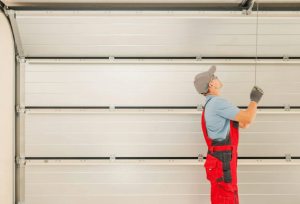
If your facility has a non-standard opening, custom sizing is available from most commercial door manufacturers. Working with a licensed installer ensures your measurements are taken correctly before any equipment is ordered.
Choose the Right Material for Your Environment
The material your rolling door is made from directly affects its durability, maintenance requirements, and performance in your specific environment. The two most common materials are steel and aluminum, and each has strengths that suit different applications.
Steel rolling doors are the standard choice for most commercial and industrial facilities. They offer strong impact resistance, a high level of security, and are available in multiple gauges depending on how heavy-duty you need the door to be.
Aluminum rolling doors are lighter and naturally resistant to rust and corrosion. They are a better fit for facilities near water, in humid environments, or where chemical exposure is a concern. They are not as impact-resistant as steel, so they work best in moderate-security applications.
For Sacramento businesses that deal with hot, dry summers and wet winters, galvanized or powder-coated steel is a reliable choice that holds up well against seasonal weather changes without requiring excessive upkeep.
Decide Whether You Need Insulation
Insulation is not a standard feature on all commercial rolling doors, but it is worth serious consideration depending on how your facility operates. An insulated door helps regulate interior temperatures, reduces energy loss through the opening, and can lower the strain on your HVAC system over time.
Ask these questions to determine whether insulation is worth the investment:
- Does your facility maintain a specific temperature range for products or equipment?
- Is the door opening located in a wall that separates a conditioned space from the outside?
- Do you notice significant temperature differences between the interior and the exterior near the door?
If the answer to any of these is yes, an insulated rolling door with a higher R-value is likely the smarter long-term choice.
Evaluate the Security Level Your Business Requires
Not every commercial rolling door needs to be a maximum-security barrier, but every business deserves a door that matches its risk level. Understanding what you are protecting and where your facility is located helps you determine how much security your door needs to provide. Sectional doors can also be a strong option in commercial settings, particularly when reinforced panels and secure locking systems are part of the design.
Factors that affect security requirements include:
- The value of the inventory or equipment stored behind the door
- The location of your facility and local crime statistics
- Whether the door is a primary entry point or a secondary access point
- The hours during which the facility is unoccupied
Heavy-gauge steel rolling doors paired with motorized locks and access control systems offer strong security for high-value facilities. For lower-risk applications, a standard-gauge door with a reliable manual locking mechanism may be entirely sufficient.
If you want a clear breakdown of the security and functional differences between door styles, the guide on Top Commercial Rolling Door Types for Every Business covers each type in detail so you can compare options side by side.
Choose Between Manual and Motorized Operation
The way your door is operated affects how efficiently your facility runs on a daily basis. Manual doors are simple and have fewer components that can fail, but they require physical effort to open and close. Motorized doors offer convenience and are essential for high-traffic facilities where the door cycles frequently throughout the day.
Manual operation works well for:
- Low-traffic openings that are accessed infrequently
- Facilities where power outages are a concern and backup operation is a priority
- Budget-conscious installations where simplicity is preferred
Motorized operation works well for:
- Loading docks and warehouses where doors open and close dozens of times daily
- Facilities where access control integration is needed
- High-speed door applications where fast cycling is a priority
Most motorized commercial rolling doors also include a manual override option for use during power outages, which gives you the best of both options without sacrificing reliability.
Check Local Building Codes and Fire Safety Requirements
Before finalizing any commercial rolling door purchase, verify what your local building codes require. In Sacramento, commercial properties must comply with California Building Code standards, which include specific requirements for fire-rated assemblies, wind load resistance, and ADA accessibility in certain applications.
Key code considerations include:
- Whether a fire-rated door is required for your specific opening location
- Wind load ratings required for your building type and location
- Any permit requirements associated with the installation
- ADA compliance if the door serves as a primary accessible entry point
Working with a licensed contractor who is familiar with Sacramento building codes is the most reliable way to make sure your installation meets all requirements without surprises after the job is done.
Compliance with evolving safety and performance expectations is reinforced by automatic garage door standards that focus on consistent operational reliability and risk reduction.
Think About Long-Term Maintenance Before You Buy
Every commercial rolling door requires some level of ongoing maintenance, but some door types and configurations require more attention than others. Factoring maintenance needs into your decision helps you avoid choosing a door that costs less upfront but demands more time and expense over its lifespan.
Questions to consider before purchasing:
- How frequently will the door need lubrication and inspection?
- Are replacement parts readily available for the model you are considering?
- Does the manufacturer offer a warranty on springs, slats, and the operator?
- Is local service support available in Sacramento if you need repairs quickly?
A door that is easy to maintain and backed by accessible local service is a much more practical investment than one that offers a slightly lower purchase price but creates ongoing service headaches.
Preventive upkeep strategies like these are widely recommended in garage door maintenance tips to reduce long-term repair costs.
Work With a Licensed Local Installer
Even the best commercial rolling door will underperform if it is not installed correctly. Improper installation leads to alignment problems, premature wear, voided warranties, and potential safety hazards. Choosing a licensed, experienced installer is just as important as choosing the right door.
When evaluating installers in Sacramento, look for:
- A valid California contractor’s license
- Experience specifically with commercial rolling door systems
- Familiarity with local building codes and permit processes
- References or reviews from other commercial clients in the area
- Clear communication about timeline, warranty, and post-installation support
A qualified installer will also help you identify any structural considerations in your existing opening that could affect performance, such as out-of-level floors, inadequate headroom, or framing that needs reinforcement before the door is hung.
Making the Right Choice Pays Off for Years
A commercial rolling door is not a purchase you make often, which means getting it right matters. The combination of the correct door type, material, insulation level, security features, and operation style, matched to your specific facility and local building requirements, results in a door that performs reliably without demanding constant attention.
Taking the time to work through each of these factors before making a decision is the approach that experienced facility managers and business owners consistently recommend. And if you want to go back to the basics before finalizing your choice, Commercial Rolling Doors: Benefits and Best Uses is a strong starting point that covers the full picture of what these doors offer.
Ready to Install the Right Door for Your Business?
The right commercial rolling door starts with the right conversation. Understanding your facility, your goals, and the options available in your area is what separates a confident purchase from one that leaves you second-guessing down the road.
R&S Overhead Doors and Gates of Sacramento, Inc., Inc works with commercial clients throughout the Sacramento area to help them select, install, and maintain rolling doors that fit their specific needs. Whether you are starting from scratch or replacing an existing system, our team has the knowledge and experience to guide you through every step of the process. Contact us today or give us a call, and let us help you find the right solution for your facility.