
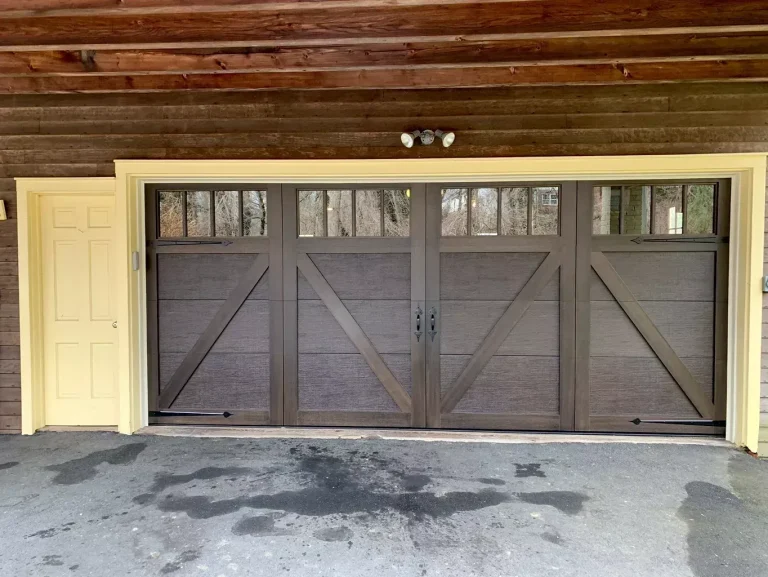
If you have ever driven through a Sacramento neighborhood and spotted a garage that looks like it belongs on a countryside estate, there is a good chance you were looking at a carriage-style garage door. These doors have a look that feels both classic and timeless, but there is a lot more to them than just good looks.
Whether you are thinking about upgrading your home’s exterior or simply curious about what sets this style apart, this guide breaks it all down in a way that is easy to follow. From how these doors got their name to the key things every homeowner should know before choosing one, here is your complete introduction to carriage-style garage doors.
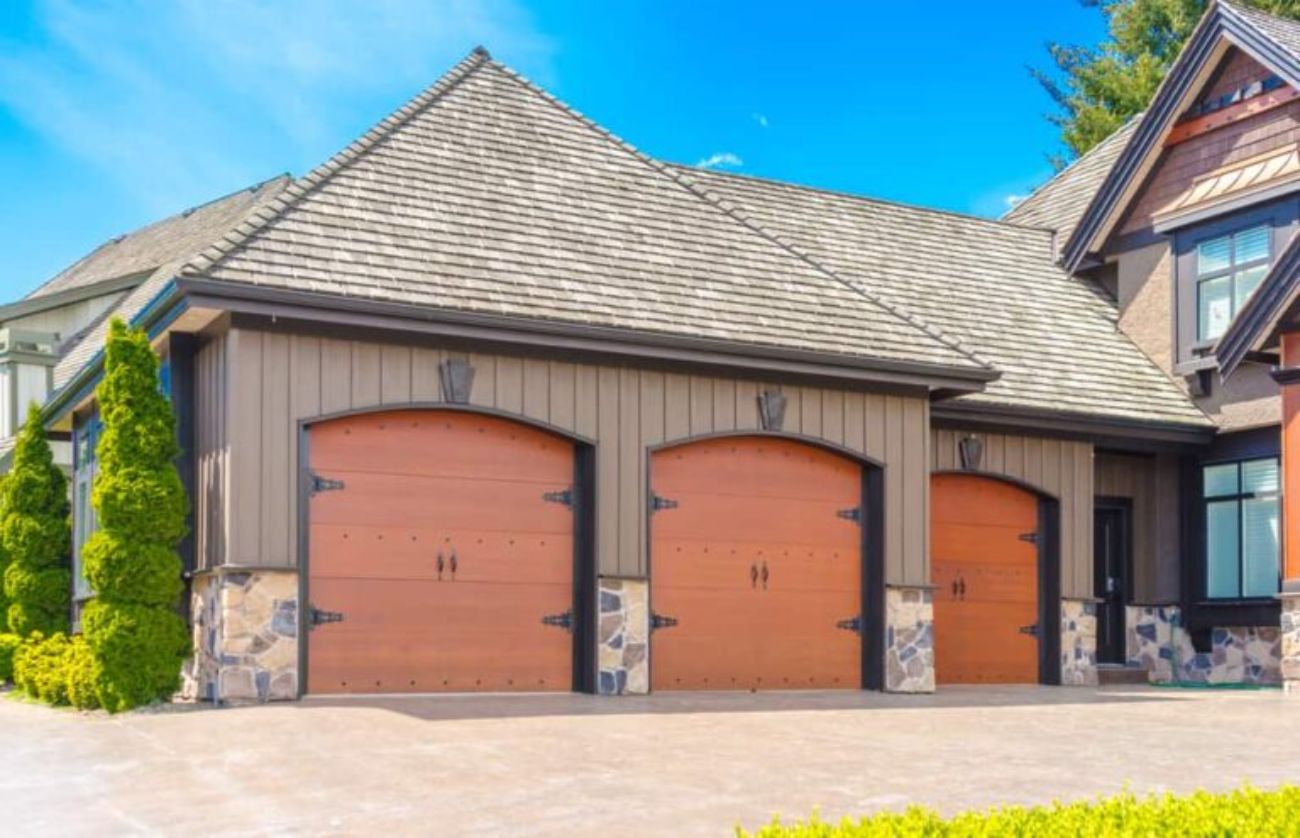
The History Behind the Carriage-Style Garage Door
Understanding where the carriage door comes from helps explain why it looks the way it does. This style has roots that go back well over a hundred years, and the design choices were not just about looks but about function.
- Before automobiles, wealthy families stored horse-drawn carriages in buildings called carriage houses, which had wide wooden doors that swung outward in two panels.
- As cars became common in the early 1900s, those carriage houses were converted into garages, but the swing-out wooden door design remained popular for a time.
- Eventually, the overhead roll-up door took over because it was more practical and required less driveway clearance.
- By the late 20th century, homeowners began asking for that classic carriage look again, which led manufacturers to recreate the style with modern mechanics underneath.
- Today, most carriage-style doors you see operate just like standard overhead sectional doors while being designed to look like the original swing-out versions, and because they share the same mechanics, garage door repair on a carriage-style door is no different than servicing any other modern overhead door.
That blend of old-world charm and modern convenience is exactly what makes them so appealing to homeowners who want both function and curb appeal.
What Makes a Carriage-Style Garage Door Look Different
The carriage style has specific visual details that separate it from standard raised-panel or flat contemporary doors. These are not just small differences. When you stand in front of a carriage door, the character is immediately noticeable.
- Crossbuck patterns, also called X or Z-shaped trim, run across the door panels and are one of the most recognized features of this style.
- Decorative strap hinges and handles are added to give the appearance of a door that opens outward, even though the door actually lifts overhead.
- Vertical or horizontal panel lines mimic the look of real wood plank construction, adding texture and depth to the surface.
- Optional windows are often placed along the top row of panels, typically in rectangular, arched, or colonial grid shapes, to let natural light into the garage.
- The overall visual weight of a carriage door is heavier and more detailed compared to flat or simple raised-panel styles, which gives it a stronger presence on the front of a home.
If you are still on the fence, reading about Why Homeowners Love Carriage-Style Garage Doors can help you see what makes this style worth considering.
How a Carriage-Style Garage Door Actually Works
A common question homeowners ask is whether these doors really swing open like the originals. The answer depends on which type you choose, and there are two main options available today.
- Most carriage-style doors sold today are sectional overhead doors, meaning they lift along a ceiling track just like any standard garage door, with the carriage look achieved through decorative surface details.
- Authentic swing-out carriage doors do still exist and are typically custom-built from solid wood for high-end or historic properties where the original operation is part of the appeal.
- Swing-out versions require more driveway clearance since the doors open outward, which can be a concern for homeowners with shorter driveways.
- Sectional carriage-style doors are compatible with standard automatic openers, making them easy to operate and maintain like any modern garage door.
- Side-hinged carriage doors are a third option that opens outward like a pair of French doors and works well for garages that are used more as workshops than vehicle storage.
For most Sacramento homeowners, the sectional style offers the best combination of classic appearance and everyday convenience.
Common Materials Used for Carriage-Style Garage Doors
The material you choose affects how the door looks, how long it lasts, and how much upkeep it needs over time. Carriage-style doors come in several materials, each with its own strengths.
- Wood is the most traditional option and delivers the most authentic carriage look, but it requires regular painting or staining and is more sensitive to Sacramento’s seasonal heat and dry conditions.
- Steel doors with an embossed wood-grain texture are the most popular choice because they offer durability and low maintenance while still capturing the carriage aesthetic.
- Composite wood doors are made from engineered wood products that resist warping and cracking better than solid wood while still looking very close to the real thing.
- Fiberglass doors are lightweight and resist denting and rust, making them a practical option in areas with temperature swings.
- Aluminum-frame doors with glass panels are less common for the carriage style but can work well on modern homes that want a mix of traditional shape with a contemporary finish.
Each material has a different price range, so discussing your priorities with a garage door professional will help you find the right fit for your home and budget.
For a broader breakdown of how material affects performance, cost, and appearance, Bob Vila’s guide to choosing a garage door is a helpful starting point.
Key Design Features to Recognize on a Carriage Door
Knowing what to look for makes it easier to identify a carriage-style door and to describe what you want when shopping. These are the design details that define the style.
- Panel layout is typically divided into sections that run vertically, which is different from the horizontal sectional lines you see on most standard garage doors.
- Hardware accents, including hinges, handles, and clavos (decorative nail heads) are applied to the surface of the door and are purely decorative on sectional-style carriage doors.
- The arch or shape at the top of the door can vary, with some carriage doors featuring a flat top, a subtle arch, or a full cathedral arch for a more dramatic look.
- Color choices for carriage doors tend to lean toward natural wood tones, deep blacks, or dark greens, which reinforce the traditional aesthetic.
- Window placement, shape, and grid pattern all contribute to the overall character of the door and can be customized to match a home’s architectural style.
When narrowing down styles, Angi’s guide on selecting the right garage door opener style pairs well with understanding how design choices affect function.
What to Check Before Choosing a Carriage-Style Door
Before committing to a carriage-style door, there are a few practical things worth evaluating on your property. Getting these details right up front saves time and avoids surprises later.
- Check your garage opening dimensions carefully, since carriage doors come in standard sizes but custom widths and heights are sometimes needed for older homes or wider openings.
- Inspect the condition of your existing tracks, springs, and opener before installing a new door, since a heavier carriage-style door may require updated hardware to operate safely.
- Consider the style of your home’s exterior, including the roofline, siding, and trim colors, so the carriage door complements the overall look rather than competing with it.
- Take note of how much direct sunlight your garage door receives each day, since wood and some composite materials can fade or warp with prolonged exposure to Sacramento’s summer heat.
- Ask about insulation ratings if your garage is attached to your home, since a well-insulated carriage door can improve energy efficiency and keep the interior more comfortable year-round.
If anything looks worn or unclear during your inspection, having a professional technician evaluate the setup before installation is always a smart move, and if a spring or track fails unexpectedly during the process, prompt emergency garage door repair can get everything back on track before your installation is delayed.
For a deeper look at making the right choice for your home, see our guide on How to Choose the Right Carriage Garage Door Style.
How to Keep a Carriage-Style Door in Good Shape
You do not need to be a garage door expert to keep a carriage-style door looking and working well, but regular attention goes a long way. A few consistent habits can extend the life of your door significantly.
- Inspect the door panels, hardware, and weatherstripping at least twice a year, looking for cracks, rust, peeling finish, or any parts that appear loose or out of place.
- Apply a fresh coat of paint or sealant to wood doors every two to three years to protect them from moisture, sun damage, and the temperature changes common in the Sacramento region.
- Lubricate the hinges, rollers, and springs with a recommended garage door lubricant once or twice a year to keep the door operating smoothly and quietly.
- Test the auto-reverse safety feature on your opener periodically to make sure the door stops and reverses properly if it contacts an object during closing.
- Keep the bottom weatherseal clean and check it for wear, since a damaged seal allows dust, pests, and moisture to enter the garage from below.
Staying ahead of small issues is almost always easier and less costly than waiting until something stops working entirely.
Once you have your door installed, staying on top of upkeep is key. Our guide on How to Maintain a Carriage-Style Garage Door walks you through what to do and when.
Is a Carriage-Style Garage Door the Right Fit for Your Home?
Not every style suits every home, and carriage doors are no exception. Before making a final decision, it helps to think about whether the look genuinely fits the architecture you already have.
- Carriage-style doors work especially well on craftsman, colonial, farmhouse, and traditional home styles, where the decorative details complement the existing design language.
- They can also work on transitional or modern-traditional homes, particularly when the hardware and color choices are kept clean and understated.
- Homes with very contemporary or minimalist architecture may find that the detailed paneling and decorative hardware of a carriage door feel out of place next to flat facades and large glass elements.
- In Sacramento neighborhoods with established architectural character, a carriage door can significantly improve a home’s street presence and overall curb appeal.
- If you are unsure, pulling up photos of your home’s style and comparing them to carriage door options online is a simple way to get a quick sense of whether the fit feels right before speaking with a professional.
Ready to Upgrade Your Garage Door in Sacramento?
A carriage-style garage door is one of the most impactful exterior upgrades a homeowner can make. It adds visual interest, improves curb appeal, and gives a home a finished, intentional look that standard doors simply cannot match. Whether you are drawn to the warm look of wood, the low maintenance of steel, or the charm of authentic swing-out hardware, there is a carriage door option that fits your home and your lifestyle.
When you are ready to move forward, working with someone who knows garage doors inside and out makes all the difference. R&S Overhead Doors and Gates of Sacramento, Inc., Inc has been helping Sacramento homeowners find the right door for their home, budget, and style. Contact us today or give us a call to get started.