
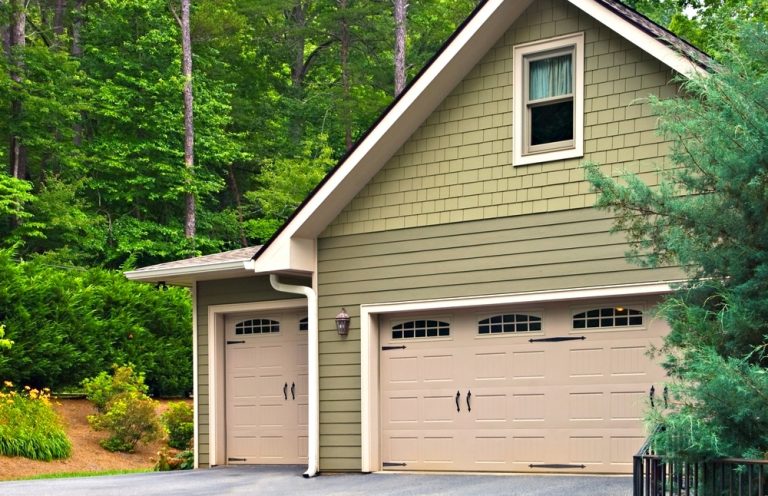
A carriage-style garage door is one of the most visible features on the front of your home. When it is well-maintained, it adds character and curb appeal every single day. When it is neglected, even a beautiful door can start to look worn, operate poorly, or develop problems that are expensive to address.
The good news is that keeping a carriage-style door in excellent condition does not require a lot of time or technical knowledge. It requires consistency. This guide walks Sacramento homeowners through everything they need to know to protect their investment, extend the life of their door, and catch small issues before they become bigger ones.
Why Regular Maintenance Matters for Carriage-Style Doors
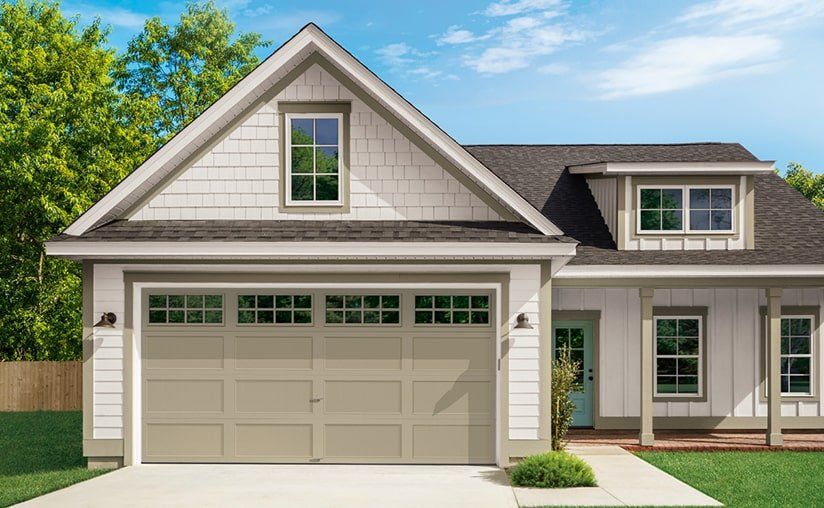
Carriage-style doors have more surface detail and decorative elements than standard garage doors, which means there are more areas to monitor and care for over time. Staying on top of upkeep is the most effective way to avoid costly repairs down the road.
- The decorative hardware, panel surfaces, and window trim on a carriage door all require periodic attention to stay in good visual and structural condition.
- Moving mechanical parts, such as springs, rollers, and hinges, experience wear with every cycle the door completes, and early detection of wear prevents more serious failures.
- Sacramento’s climate, with its hot, dry summers and cooler winters, creates seasonal stress on door surfaces and seals that makes routine inspection especially important in this region.
- A door that is well maintained operates more quietly, opens and closes more reliably, and puts less strain on the opener motor, which extends the life of the entire system.
- Addressing small issues such as a worn weatherstrip or a slightly misaligned panel early is almost always less disruptive and less costly than waiting until the problem affects the door’s operation.
For a full overview of what makes carriage doors unique and what components to be aware of, start with What Is a Carriage-Style Garage Door?.
Inspect the Door Panels and Surface Finish Twice a Year
The panels and finish of a carriage door are its most visible elements, and they are worth examining closely at least twice a year. Spring and fall are natural times to do this in Sacramento, before the intense summer heat arrives and after it passes.
- Walk the full width of the door and check for cracks, chips, peeling paint, or bubbling finish that could allow moisture or UV damage to reach the material underneath.
- On wood doors, pay close attention to joints between panels and along the bottom rail, where moisture tends to collect and where paint or sealant tends to break down first.
- On steel and composite doors, check for any dents or scratches that have broken through the factory finish, since exposed metal can begin to rust if left unaddressed in areas with irrigation or morning dew.
- Inspect the window frames and any glazing around the glass inserts for cracking or separation, which can allow moisture into the frame and lead to further damage over time.
- Note any sections where the door surface feels soft, spongy, or different from the surrounding area, as this can indicate moisture has already worked its way into the material and needs professional garage door repair before the damage spreads further.
Catching surface issues early keeps repair costs manageable and preserves the appearance that makes carriage doors worth having in the first place.
Clean the Door Surface and Hardware Regularly
Keeping the door clean is one of the simplest things a homeowner can do, and it has a direct impact on how long the finish and hardware last. Dirt, dust, and residue from irrigation water build up over time and accelerate surface wear.
- Wash the door panels two to three times per year using a soft cloth or sponge with mild soap and water, working from the top down and rinsing thoroughly to avoid leaving soap residue on the surface.
- Avoid pressure washers on wood or composite doors since the force can drive water into panel joints and cause swelling or delamination that is difficult to repair.
- Clean the decorative hardware, including strap hinges and handles, with a damp cloth to remove dust and any mineral deposits left by hard water or irrigation spray.
- After cleaning the hardware, apply a thin coat of a protective wax or metal sealant to help maintain the finish and slow any surface oxidation, particularly on iron-finish hardware that is more exposed to the elements.
- Clear away any debris, such as leaves, dirt, or cobwebs that collect along the bottom of the door and around the weatherstripping, since organic matter traps moisture against the surface and accelerates deterioration.
Staying consistent with these cleaning habits also gives you a regular opportunity to notice early signs of wear before they develop into larger problems. Catching a corroded hinge or a swelling panel during a routine wash is far easier to address than waiting until the issue forces a call for emergency garage door repair.
Lubricate the Moving Parts on a Schedule
Lubrication is one of the most impactful and most commonly skipped maintenance steps for any garage door. For a carriage-style door, keeping the mechanical components properly coated reduces noise, prevents premature wear, and keeps the entire system running smoothly.
- Apply a garage door-specific lubricant, not a general-purpose spray, to the rollers, hinges, and bearing plates at least once a year, or twice a year if the door is used frequently.
- Lubricate the torsion spring coils by applying the product along the length of the spring, which helps reduce friction and extend the spring’s working life.
- Wipe away any excess lubricant from the track itself, since the track should remain clean and dry rather than coated, as a slippery track can cause the door to move inconsistently.
- Check the condition of the nylon rollers while lubricating and replace any that show visible cracks, chips, or flat spots since damaged rollers create uneven movement and put extra stress on the track.
- After lubricating, open and close the door manually and with the opener a few times to distribute the product evenly and listen for any remaining squeaking or grinding that may indicate a component needs closer inspection.
For guidance on how this fits into your overall door care routine, see Why Homeowners Love Carriage-Style Garage Doors for context on protecting your investment.
Check and Replace the Weatherstripping When Needed
Weatherstripping is the barrier between your garage interior and the outside environment. When it is in good condition, it keeps out dust, pests, and outside air. When it fails, those things get in and the door’s energy efficiency drops noticeably.
- Inspect the bottom seal along the full width of the door and check for cracks, tears, compression that has flattened the seal, or sections that no longer make contact with the ground when the door is closed.
- Check the side and top weatherstripping for similar signs of wear, paying attention to corners where the seal meets the door frame, since these areas tend to separate or compress first.
- In Sacramento, summer heat can cause rubber and vinyl seals to become brittle faster than in cooler climates, so inspecting the bottom seal before and after the summer months is a practical habit.
- Replace weatherstripping as soon as signs of failure appear rather than waiting until the gap is visibly obvious, since even a small opening is enough for insects and dust to enter consistently.
- When installing a new bottom seal, confirm that it makes even contact with the ground across the full width of the door, since an uneven surface or a door that is slightly out of alignment can leave gaps even with new weatherstripping in place.
Test the Safety Features and Opener System Periodically
The mechanical and safety systems that operate your carriage door deserve as much attention as the door’s surface and appearance. Testing these components on a regular schedule ensures the door is not just looking good but also operating safely.
- Test the auto-reverse function by placing a flat object, such as a piece of wood, on the ground in the door’s path and closing the door. It should reverse immediately upon contact without requiring significant force.
- Check the photo-eye sensors located near the bottom of the door tracks by passing your hand through the beam while the door is closing. The door should stop and reverse without hesitation.
- Listen for any unusual sounds during operation, such as grinding, banging, or rattling, which can indicate worn rollers, loose hardware, or a spring that is beginning to lose tension.
- Inspect the cables running from the bottom corners of the door up to the spring drum for any signs of fraying, kinking, or uneven winding, and contact a professional if anything looks abnormal since cables under tension can be dangerous to handle without the right equipment.
- Test the manual release cord on the opener to confirm the door can be operated by hand in the event of a power outage, and make sure the door stays in place when stopped midway rather than drifting up or down on its own.
For specifics on opener performance standards and what photo-eye sensors are required to do, the DASMA garage door opener safety page covers the technical requirements in plain language.

Care for Wood Doors Through the Seasons
Wood carriage doors require a few additional steps beyond what steel or composite doors need. If you have chosen a wood door for its authentic appearance, building a seasonal care routine around it will keep it looking exceptional for many years.
- Reapply exterior paint or wood sealant every two to three years, or sooner if you notice fading, peeling, or bare wood becoming visible anywhere on the surface.
- Sand any areas where the finish has lifted or cracked before repainting to ensure the new coat bonds properly and does not trap moisture underneath a damaged surface layer.
- Check the door’s alignment with the frame after summer and winter, since temperature-driven expansion and contraction can cause wood doors to shift slightly and affect how well the door seals when closed.
- Apply a wood-specific protectant to exposed surfaces during the fall to prepare the door for the cooler months ahead, particularly on sections of the door that face west and receive direct afternoon sun through Sacramento’s long summers.
- If you notice soft spots, discoloration, or unusual texture changes in the wood, have a professional evaluate the area before the next repainting cycle, since these can be early signs of moisture damage that need to be addressed from the inside out rather than covered over.
For guidance on whether a wood door is the right choice for your home and situation, see How to Choose the Right Carriage Garage Door Style.
Keep Your Carriage Door Working and Looking Its Best
A carriage-style garage door is an investment in your home’s appearance, comfort, and value. Protecting that investment comes down to staying consistent with the maintenance steps outlined in this guide. Inspecting the surface, cleaning regularly, lubricating the moving parts, replacing worn seals, and testing the safety features are all straightforward tasks that make a real difference over time.
For Sacramento homeowners who want professional support with their carriage door maintenance or have noticed something that needs attention, R&S Overhead Doors and Gates of Sacramento, Inc., Inc is ready to help. Contact us today or give us a call, and let our team make sure your door is in the best possible condition.