If you run a business, warehouse, or commercial facility, the type of door you install matters more than most people realize. A door that fails during business hours can slow down operations, compromise security, and cost you more in repairs over time. Commercial rolling doors are one of the most reliable options available, and for good reason.
These doors are built to handle heavy daily use, protect your property, and save space, all without getting in the way of how your business runs. Whether you manage a loading dock in Sacramento, a self-storage facility, or a busy retail space, understanding the full benefits of commercial rolling doors can help you make a smarter, more informed decision for your property.
They Save Valuable Space Inside Your Facility
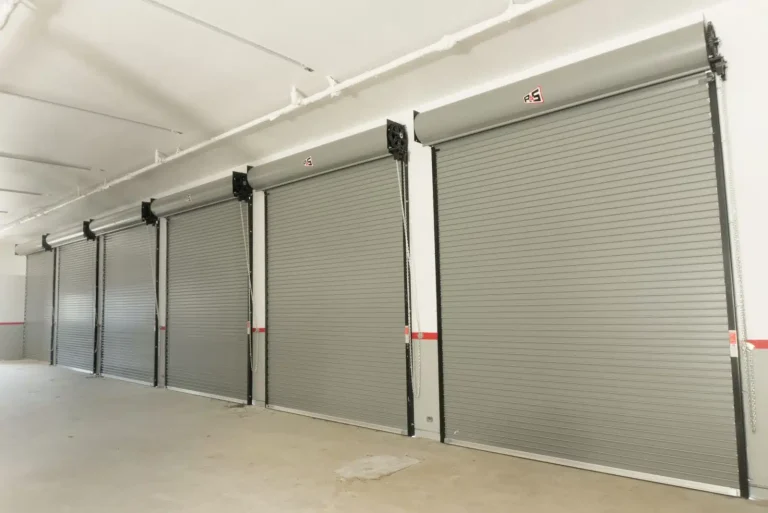
One of the biggest advantages of commercial rolling doors is how little space they take up. Traditional swing-out or sliding doors require clearance room, which can get in the way of forklifts, shelving, or equipment near the entrance.
Rolling doors coil up neatly above the opening when opened. That means your ceiling space does the work instead of your floor space. For warehouses and loading docks in Sacramento where every square foot counts, this is a practical benefit that adds up quickly.
- No swing clearance needed on either side
- Keeps pathways clear for equipment and foot traffic
- Works well in tight spaces with low clearance
If you are weighing your options, learning about the Top Commercial Rolling Door Types for Every Business can help you understand which style fits your available space best.
They Offer Strong Security for Commercial Properties
Security is a top priority for any business. Commercial rolling doors and sectional doors are both built with security in mind, using heavy-gauge steel or aluminum that makes them significantly harder to breach than standard doors. When locked, they create a solid barrier that deters unauthorized entry.
Many models also support advanced locking systems, including motorized locks and access control integration. This is especially useful for businesses that store valuable inventory or equipment overnight.
- Heavy-duty materials resist forced entry
- Compatible with electronic access control systems
- Provides a visible security presence that discourages break-ins
For businesses in Sacramento that operate in high-traffic commercial zones, having a door that locks down securely at the end of the day is not just a convenience; it is a necessity.
They Are Built to Handle Heavy Daily Use
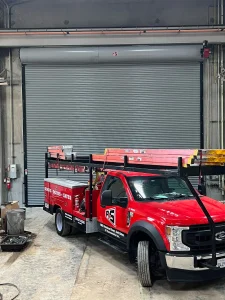
Commercial rolling doors are engineered for high-cycle performance. That means they are designed to open and close hundreds of times a day without wearing down quickly. Standard residential garage doors are not built for that level of demand.
In industrial and commercial settings, this durability translates directly to lower maintenance costs and fewer unexpected breakdowns. A well-maintained rolling door can last for many years before needing major service.
- High-cycle springs rated for thousands of uses
- Reinforced slats handle daily impact and movement
- Suitable for facilities that operate around the clock
Knowing when your door starts to show wear is just as important as choosing the right one. If you notice unusual sounds or slow movement, review the Signs Your Commercial Rolling Door Needs Repair before a small issue becomes a costly problem.
They Work in a Wide Range of Commercial Applications
Commercial rolling doors are not a one-size-fits-all product. They are used across many industries and building types, which makes them one of the most versatile door options on the market.
Here are some of the most common applications:
- Warehouses and distribution centers: Handle constant forklift and foot traffic with ease
- Self-storage facilities: Provide individual unit security and easy tenant access
- Retail storefronts: Roll-up grilles allow visibility while keeping the space secure after hours
- Fire stations and auto shops: Wide clearance options accommodate large vehicles
- Loading docks: Handle frequent deliveries without slowing down operations
- Parking structures: Manage vehicle entry and exit efficiently
Sacramento businesses operate in a climate that ranges from hot, dry summers to wet winters, which means your door also needs to hold up against temperature shifts, dust, and occasional moisture exposure. Commercial rolling doors handle those conditions well, especially when paired with proper weatherstripping.
Safety and performance expectations for commercial door systems are reinforced by industry safety guidelines, such as these garage door safety tips, which outline proper usage and hazard prevention.
They Are Energy Efficient When Insulated
Not all commercial rolling doors are bare steel. Insulated rolling doors are available for facilities that need to maintain a controlled temperature, such as cold storage units, food processing plants, or climate-sensitive warehouses.
An insulated rolling door helps regulate interior temperatures and reduces the strain on your HVAC system. Over time, that can reflect in lower energy costs.
- Polyurethane or polystyrene insulation options are available
- Helps maintain consistent interior temperatures
- Reduces noise from outside as a bonus benefit
If your facility in Sacramento runs refrigeration or climate control around the clock, an insulated rolling door is worth serious consideration.
Energy efficiency in building components, including insulated openings, is widely supported in energy-efficient home design guidance, which highlights the role of insulation in reducing energy loss.
They Are Low Maintenance Compared to Other Door Types
Commercial rolling doors require relatively little upkeep compared to other commercial door styles. Their simple coiling mechanism has fewer moving parts that can fail, and most routine maintenance involves basic inspections and lubrication.
Here is what a basic maintenance routine looks like:
- Inspect the tracks and slats for dents, debris, or misalignment every few months
- Lubricate the moving parts with an appropriate lubricant at least twice a year
- Check the spring tension and contact a professional if anything feels off
- Test the safety features, including auto-reverse sensors, if motorized
Avoid letting small issues go unchecked. A door that runs rough or makes grinding sounds is telling you something is wrong. A qualified technician should inspect it before the problem worsens.
They Can Be Customized to Fit Your Business Needs
Commercial rolling doors are available in a variety of sizes, materials, finishes, and operational styles. That flexibility means you are not locked into a standard option that may not suit your building.
Common customization options include:
- Manual or motorized operation, depending on your traffic volume
- Perforated or solid slats for visibility or full coverage
- Powder-coated finishes in different colors to match your building exterior
- Wind load ratings for facilities in areas that experience strong seasonal storms
- Vision panels or windows built into the door for added visibility
Choosing the right configuration takes more thought than most business owners expect. If you are still deciding on the best setup for your property, the guide on How to Choose the Right Commercial Rolling Door walks you through the key factors in plain terms.
They Add Long-Term Value to Your Property
Installing a quality commercial rolling door is an investment that pays off over time. It improves curb appeal for commercial properties, adds a layer of structural security, and can even be a selling point if you decide to sell or lease the space down the road.
Buyers and tenants often check the condition of access points, loading areas, and entry doors when evaluating a commercial property. A well-functioning, modern rolling door signals that the facility is well-maintained.
- Increases perceived value of the commercial space
- Signals professionalism and property upkeep
- Reduces liability risks from outdated or failing door systems
Is a Commercial Rolling Door Right for Your Business?
Commercial rolling doors are a practical, secure, and space-saving solution for a wide range of businesses. From Sacramento warehouses to retail storefronts and industrial facilities, these doors are trusted because they deliver consistent performance under real-world conditions.
When you invest in the right door, you are investing in the safety of your inventory, the efficiency of your operations, and the long-term condition of your property. The key is matching the right door type, material, and features to what your business actually needs.
If you are ready to upgrade your commercial entry points or need a professional assessment of your current door system, R&S Overhead Doors and Gates of Sacramento, Inc., Inc is here to help. Our team has the experience and local knowledge to guide you toward the right solution for your facility. Contact us today or give us a call to schedule a consultation.