
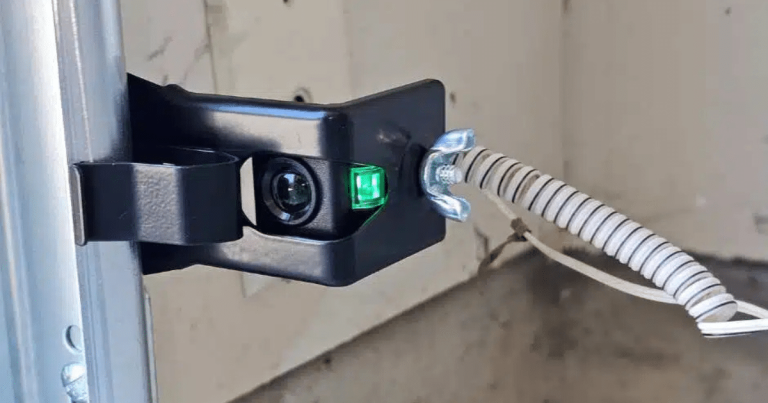
A yellow garage door sensor light often signals that the sensor has power. In many situations, the issue is something simple like dust on the lens or a slight alignment shift. However, when the yellow light appears together with a garage door that refuses to close, reverses unexpectedly, or behaves inconsistently, the cause may involve a wiring or sensor failure.
In Sacramento, CA, this type of problem commonly shows up after years of daily garage door use, exposure to dust and temperature swings, or wiring that has slowly worn down from vibration along the track. While the light itself may seem minor, it can be a sign that the safety sensor system is no longer communicating reliably with the garage door opener.
Quick Answer
A yellow garage door sensor light can indicate a wiring or sensor failure when the sensor has power, but the opener cannot receive a stable signal. Common causes include damaged sensor wiring, loose low-voltage connections, terminal corrosion, internal sensor failure, or a worn opener circuit that cannot properly detect the infrared beam. When the door will not close reliably, this is often a sign that garage door repair is needed to restore safe operation.
If you want the full overview of what the yellow sensor light means and the first things homeowners should inspect, read Yellow Garage Door Sensor Light: What It Means and What to Check.
Why Wiring Problems Affect Garage Door Sensors
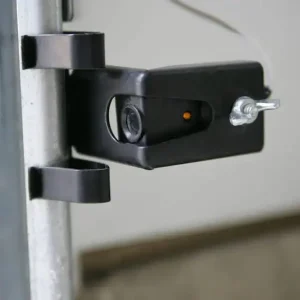
Garage door sensors depend on low-voltage wiring that runs from the opener motor unit to the sensors near the floor. These wires carry the signal that tells the opener whether the safety beam is clear.
Over time, this wiring can weaken due to several conditions.
- Vibration from daily door movement
- Staples or fasteners pressing into the wire insulation
- Moisture exposure near the garage floor
- Rodents chewing insulation
- Repeated bending where wires enter the sensor housing
When the signal traveling through those wires becomes unstable, the opener may see the beam as interrupted even when the sensors appear aligned.
Signs That Point to Wiring Trouble Instead of Alignment
Alignment problems are usually easy to spot. The sensors appear crooked, or the lights flicker when the bracket moves. Wiring failures behave differently.
Common signs include:
- The sensor lights appear on, but the door refuses to close
- The door reverses even when the beam path is clear
- The sensor lights flicker randomly without movement
- The problem appears suddenly without anyone bumping the sensors
When these patterns appear, the wiring path between the opener and the sensors deserves attention.
How Wiring Damage Happens in Sacramento Garages
Every region has patterns technicians notice repeatedly. In Sacramento homes, certain wiring conditions appear more often than others.
Wire Insulation Breakdown From Heat and Dust
Sacramento summers bring long stretches of high temperatures. Garages trap heat, and sensor wiring running along the track can slowly degrade over time.
When insulation dries out, small cracks can expose copper wiring. That exposure can weaken the signal traveling to the opener.
Staples Pressing Into The Sensor Wire
Many sensor wires are attached to the wall or ceiling using staples. If those staples were installed too tightly, they can pinch the wire and damage the internal conductors.
This type of damage often causes intermittent signal loss that shows up as flickering sensor lights.
Moisture Exposure Near The Floor
Although Sacramento is generally dry, winter rain and garage floor moisture can still affect wiring near the sensor level.
Signs of moisture-related wiring trouble include:
- Corrosion at wire terminals
- Greenish discoloration on exposed copper
- Inconsistent sensor response during wet weather
Rodent Damage to Low-voltage Wires
Rodents occasionally chew small electrical wires inside garages. Low-voltage sensor wiring is thin and can be easily damaged.
If the sensor suddenly stops communicating with the opener, inspecting the wire path for chew marks is important.
Sensor Failure That Mimics Wiring Problems
Sometimes the wiring is not the issue at all. The sensor itself may be wearing out.
Garage door sensors are small electronic devices that operate in a challenging environment. Dust, vibration, and temperature changes can slowly weaken internal components.
Signs that the sensor itself may be failing include:
- The sensor light is dim compared to the opposite side
- The light flickers even when the wiring appears secure
- The door works temporarily, but fails again later
- Replacing alignment does not stabilize the system
When these symptoms appear together, sensor replacement may eventually be necessary.
Because vibration can contribute to fasteners loosening over time, a bracket or attachment point that shifts slightly can turn a borderline wiring or sensor condition into a repeat flicker or reversal problem.
If your garage door started acting up after an outage or breaker reset, read What to Do When a Yellow Sensor Light Appears After a Power Outage.
What Homeowners Can Safely Check
The goal of these checks is observation, not repair. Garage door wiring and opener circuits should not be modified without proper training.
Inspect the visible sensor wire path
Look along the wall and track where the sensor wires run.
Check for:
- Pinched insulation
- Exposed copper
- Loose wire ends near the sensor
- Wiring pulled too tight between attachment points
Any visible damage suggests the signal may not be reaching the opener consistently.
Check the sensor brackets and housings
Sometimes, wiring problems appear to be sensor failure when the real issue is a loose connection at the sensor body.
Check whether:
- The sensor housing is cracked
- The wire entering the sensor looks loose
- The bracket allows the sensor to move freely
A secure mount helps protect the wiring connection inside the sensor.
Observe the sensor lights during operation
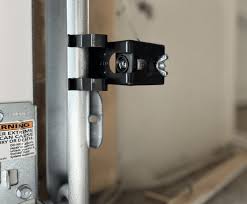
Sensor lights can reveal clues when the door starts to move.
Watch for:
- Lights dimming during vibration
- Flickering when the door begins closing
- Lights are shutting off briefly during operation
These patterns often indicate signal interruption caused by wiring instability.
When the opener circuit becomes part of the problem
In some cases, the wiring and sensors are fine, but the opener control board struggles to interpret the signal.
This can happen with older openers or systems that have experienced electrical surges.
Signs that the opener circuit may be involved include:
- Sensors appear normal, but the opener still rejects the signal
- Multiple sensors have been replaced with the same result
- The opener shows repeated warning lights during close attempts
If this occurs, the opener may require deeper evaluation.
Sacramento Environmental Factors That Affect Wiring
Garage door systems operate in an environment that changes throughout the year.
Several Sacramento conditions can influence wiring and sensor reliability.
- Dust accumulation over time
- Temperature swings inside garages
- High daily door usage
If your issue seems more related to environmental interference or sensor alignment, read Common Reasons a Garage Door Sensor Light Turns Yellow.
Preventing Future Sensor Wiring Problems
While wiring eventually ages, a few habits can reduce the risk of early failure.
- Keep the lower track area clean and free of debris
- Avoid storing items that can bump the sensor wiring
- Inspect visible wires during routine garage cleaning
- Pay attention to early warning signs like light flicker or inconsistent closing
These steps help maintain a stable safety sensor signal.
Staying consistent with basic garage upkeep helps you catch small issues early, and Bob Vila’s homeowner guidance adds useful context on garage door considerations that can affect long-term performance.
Get Your Garage Door Closing Safely Again In Sacramento
A yellow sensor light combined with a door that refuses to close consistently often points to a deeper signal problem rather than a simple alignment issue. Wiring wear, damaged insulation, internal sensor failure, or a weakened opener circuit can all interrupt the communication needed for the safety system to operate correctly.
If your garage door continues reversing, the sensor lights flicker unpredictably, or the system stops responding to normal closing commands, it is safest to have the system inspected by trained professionals. R&S Overhead Doors and Gates of Sacramento, Inc., Inc provides professional garage door diagnostics and repair services throughout Sacramento, CA. Contact us today or give us a call to schedule service and restore reliable and safe garage door operation.