

A yellow garage door sensor light usually catches a homeowner’s attention when the door starts behaving differently. The door may hesitate, reverse while closing, or stop responding to the remote the way it normally does. The sensor light is part of the safety system that helps prevent the door from closing when something is in the opening.
In Sacramento, CA, garage door sensors are exposed to dust, sunlight, daily door vibration, and occasional moisture near the floor. Over time, these conditions can affect the sensor beam and cause the indicator light to turn yellow or behave inconsistently, which can also affect how the garage door opener responds during closing cycles.
Quick Answer
A garage door sensor light turns yellow when the sending sensor has power, but the safety beam between the sensors may not be completely stable. Common causes include sensor alignment drift, dust on the lens, sunlight glare, beam obstruction, wiring signal instability, or aging sensor components. When these problems continue, or the door refuses to close reliably, garage door repair may be needed to restore safe operation.
If you want the full explanation of what the yellow sensor light means and the first checks homeowners should make, read Yellow Garage Door Sensor Light: What It Means and What to Check
How Garage Door Safety Sensors Work
Garage door sensors are designed to stop the door from closing when the beam between them is interrupted. One sensor sends an infrared signal across the door opening, and the other sensor receives it.
When the beam is steady, the opener allows the door to close normally. If the beam becomes blocked or unstable, the opener stops the closing cycle or reverses the door.
This safety system relies on three things working together.
- Clear line of sight between both sensors
- Stable alignment so the beam reaches the receiver
- Reliable wiring that carries the signal to the opener
If any part of this communication chain changes, the sensor light behavior may change as well.
Alignment Drift Between The Sensors
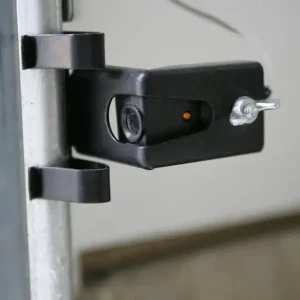
One of the most common causes of a yellow sensor light is simple alignment drift. The sensors sit near the floor where they can easily be bumped by storage items, trash bins, or sports equipment.
Even a small change in angle can weaken the beam enough to create an unstable signal.
Common clues include:
- One sensor light appears dimmer than the other
- The light flickers when the bracket moves slightly
- The door begins closing and then reverses
Garages in Sacramento often double as storage spaces, which increases the chances of accidental sensor movement.
Dust And Debris On The Sensor Lens
Dust accumulation is another frequent cause of yellow sensor lights. Sacramento’s dry climate can allow fine dust to settle on the sensor lens over time.
When dust coats the lens, the infrared beam becomes weaker and harder for the receiver to detect.
Typical signs include:
- A cloudy or dusty sensor lens
- The door works intermittently
- Cleaning the lens briefly improves operation
Regular garage cleaning can help prevent dust from interfering with sensor signals.
Sunlight Interference At Certain Times Of Day
Direct sunlight can sometimes interfere with the receiver sensor. This usually occurs when sunlight shines directly into the sensor at a specific angle.
In Sacramento neighborhoods with west-facing garages, homeowners may notice the problem during late afternoon when the sun is strongest.
Signs that sunlight may be involved include:
- The door works normally in the morning
- The issue appears during the same time each day
- The sensor light stabilizes later in the evening
Sunlight interference does not always require repair, but the sensor may need slight adjustment or shading.
Objects Blocking The Sensor Beam
The sensor beam travels only a few inches above the garage floor. Because of this, even small items can interrupt it.
Common beam obstructions include:
- Yard tools leaning near the track
- Storage bins were pushed too close to the sensors
- Pet toys or small equipment on the floor
- A trash container sitting partially in the beam path
Because the beam is invisible, homeowners sometimes overlook these small obstructions.
For a deeper technical explanation of how safety reversing sensors behave when the signal is interrupted, you can review LiftMaster’s garage door safety sensor troubleshooting guide.
Wiring Signal Problems
Low-voltage wiring connects the sensors to the opener motor unit. If the wiring becomes loose or damaged, the opener may not receive a stable signal.
This can cause the sensor light to appear normal but still prevent the door from closing.
Signs of wiring trouble may include:
- Flickering sensor lights
- The door reverses even with a clear beam path
- Intermittent operation with no visible obstruction
If the issue appears electrical rather than environmental, read When a Yellow Sensor Light Means a Wiring or Sensor Failure.
Sensor Wear Over Time
Garage door sensors are electronic components, and like any electronics, they eventually wear out. Heat, vibration, dust, and age can slowly reduce sensor reliability.
When sensors begin to fail, the system may work normally one day and refuse to close the next.
Signs that sensor components may be wearing out include:
- Dim sensor lights
- Frequent alignment adjustments needed
- Door behavior is becoming unpredictable
In these cases, professional garage door repair may be required to restore proper communication between the sensors and the opener.
For a broader overview of the issues that can prevent a garage door from closing properly, This Old House provides a helpful guide on common reasons a garage door will not close.
If your sensor light appeared immediately after an electrical interruption, read What to Do When a Yellow Sensor Light Appears After a Power Outage.
Environmental Conditions In Sacramento Garages
Certain environmental factors in Sacramento garages can make sensor issues more common.
Dry seasonal dust
Long dry periods allow dust to accumulate on lenses and wiring.
Bright seasonal sunlight
Changing sun angles during the year can create glare conditions that affect the receiver sensor.
Frequent garage door use
Many Sacramento homes use the garage as the main entry point. High cycle usage increases vibration and wear around sensor brackets and wiring.
Understanding these environmental factors helps homeowners recognize why sensor lights sometimes behave differently during different seasons.
Preventing Future Sensor Signal Problems
A few simple habits can help reduce the chances of sensor issues returning.
- Keep the area around the sensors clear of stored items so the beam path stays unobstructed.
- Include the sensor lenses in routine garage cleaning to prevent dust buildup.
- Avoid stacking reflective or shiny objects near the sensor area where sunlight glare could increase.
- Check sensor alignment briefly after major garage cleanouts or storage rearrangements.
These small steps can help maintain reliable sensor communication.
Restoring Reliable Garage Door Operation In Sacramento
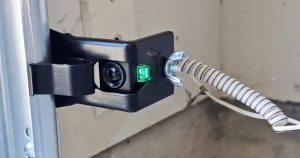
A yellow garage door sensor light often starts as a small signal problem, but if the issue continues, it can prevent the door from closing safely. Alignment drift, dust buildup, sunlight glare, wiring instability, or sensor wear can all interrupt the beam that the opener relies on.
If your garage door keeps reversing, the sensor lights flicker, or the system refuses to close even after basic checks, a professional inspection is the safest next step. R&S Overhead Doors and Gates of Sacramento, Inc., Inc provides experienced garage door repair and diagnostic services throughout Sacramento, CA. Contact us today or give us a call to schedule service and restore safe, dependable garage door operation.