https://rsdoorsandgates.com/blog/why-your-loading-dock-needs-dock-leveler/If you are trying to decide which dock leveler type fits your facility best, the right choice usually comes down to truck traffic volume, available space, and budget. Dock leveler types vary in how they operate, how much weight they support, and how much daily wear they can handle. For Sacramento businesses managing steady shipping schedules, choosing the right dock equipment can mean fewer repairs and a smoother loading process for years to come.
Comparing these options side by side can feel overwhelming at first, but breaking each type down by how it works and what kind of facility it suits best makes the decision much easier to navigate. In this guide, we will compare the most common dock leveler types, explain how each one works, and help you figure out which option best matches your facility’s needs. Understanding these differences upfront can save time, money, and frustration down the road, especially when equipment is expected to perform reliably for many years.
Hydraulic Dock Levelers
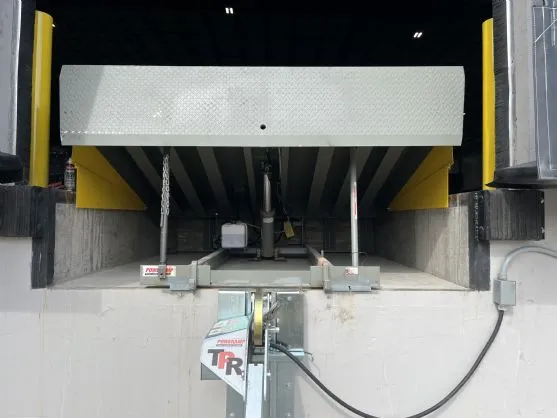
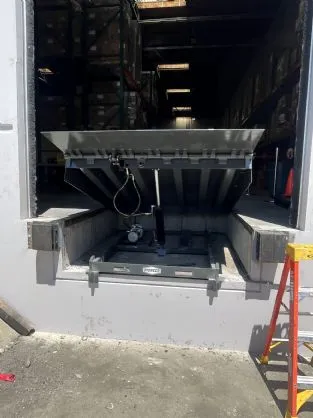
Hydraulic dock levelers use fluid pressure to raise, lower, and extend the platform smoothly. This type is often chosen by facilities with high truck traffic because it offers consistent, controlled movement even under heavy daily use, which is part of why it remains a popular standard across many distribution operations.
Because hydraulic systems rely on fluid pressure rather than springs, they tend to respond more predictably and require less manual effort from workers during operation. This makes them a popular choice in busy distribution centers where speed and reliability matter most. Many facilities that run multiple shifts find that hydraulic systems hold up well under the repeated demands of continuous daily operation, and pairing this equipment with reliable commercial overhead door services helps ensure the entire loading dock area operates just as smoothly.
Why Facilities Choose Hydraulic Levelers
- Smooth, controlled movement under heavy loads
- Lower physical effort is required from workers
- Strong performance in high traffic environments
- Reliable operation across frequent daily use
- Easier integration with automated dock systems
These advantages explain why hydraulic systems remain a common standard across many commercial and industrial facilities.
If you want a deeper explanation of how this mechanism functions overall, How Does a Dock Leveler Work? breaks down the platform and lip movement in more detail, including how hydraulic, mechanical, and air-powered systems each handle that process differently.
Mechanical Dock Levelers
Mechanical dock levelers rely on a spring-assisted mechanism and typically require a worker to manually release the platform using a pull chain or lever. This type tends to be more budget-friendly upfront compared to hydraulic systems, which makes it appealing for facilities watching equipment costs closely.
While mechanical levelers require a bit more manual effort, they remain a solid option for facilities with lower truck traffic or tighter budget considerations. Their simpler design can also mean fewer complex parts that might need attention over time, which some facility managers see as an advantage when it comes to long-term upkeep.
Considerations for Mechanical Levelers
- Lower upfront equipment cost
- Simpler mechanical design with fewer components
- Requires manual release by trained staff
- Suitable for lower to moderate truck traffic
- May require more frequent spring adjustments over time
Air-Powered Dock Levelers
Air-powered dock levelers use an inflatable air bag system to raise and lower the platform. This type tends to operate quickly and is often considered a middle ground between hydraulic and mechanical systems in terms of cost and performance, giving facilities a flexible option without committing to either extreme.
Because the air bag system is lighter than hydraulic components, this type can be a good fit for facilities looking for fast operation without the higher cost of a full hydraulic setup. However, it may not handle the heaviest loads as well as hydraulic systems built for constant heavy duty use, so it is worth carefully matching this option to your actual freight weight.
What to Know About Air-Powered Levelers
- Faster operation compared to mechanical systems
- Lighter overall mechanism design
- Mid-range cost between mechanical and hydraulic options
- Works well for moderate truck traffic
- May require more frequent inspection of air components
Edge-of-Dock Levelers
Edge-of-dock levelers are smaller units mounted directly at the edge of the loading dock, designed for facilities with lighter loads and smaller height differences between the dock and truck bed. They take up less space than full pit-style levelers, which can be a deciding factor for facilities working with tighter dock layouts.
This type is often chosen by smaller warehouses or facilities where space constraints make a full hydraulic or mechanical pit leveler impractical. While they support less weight than larger systems, they still provide a stable transition for lighter freight handling needs, making them a practical fit for businesses that do not require heavy duty capacity.
When Edge-of-Dock Levelers Make Sense
- Limited space available at the loading dock
- Lighter freight and lower weight capacity needs
- Smaller height differences between dock and truck
- Lower installation cost compared to pit-style levelers
- Simpler maintenance requirements overall
For facilities trying to decide if their current setup matches their actual freight and traffic needs, Why Your Loading Dock Needs a Dock Leveler explains the broader reasons this equipment matters in daily operations.
Vertical-Storing Dock Levelers
Vertical-storing dock levelers store upright against the building when not in use, which helps conserve space and keeps the dock area clear when trucks are not present. This type is popular in facilities where space efficiency is a priority, particularly in buildings with multiple dock doors positioned close together.
Because the platform stores vertically rather than sitting flush with the floor, this design also helps prevent debris or moisture from accumulating in the pit area, which can extend the equipment’s overall lifespan with proper care. This added protection can be especially valuable in regions with seasonal rain or temperature swings.
Benefits of Vertical-Storing Levelers
- Saves floor space when not actively in use
- Helps reduce debris and moisture buildup in the pit
- Works well for facilities with limited dock area
- Provides a clean, organized appearance at the dock
- Suitable for moderate to high traffic facilities
Reviewing general information on loading dock systems can also help facility managers understand how different leveler types fit into broader dock design and layout planning, especially when renovating or expanding an existing facility.
How to Decide Which Type Fits Your Facility
Choosing the right dock leveler type depends on a combination of factors specific to your facility, including how often trucks arrive, how heavy your typical loads are, and how much space you have available at the dock. Taking time to evaluate each of these factors honestly can prevent the common mistake of choosing equipment based on price alone, only to find it does not hold up to actual daily demands.
Key Factors to Weigh Before Choosing
- Daily truck traffic volume and frequency
- Average weight of freight being loaded or unloaded
- Available space at the loading dock area
- Budget for installation and ongoing maintenance
- Climate considerations for Sacramento’s seasonal weather shifts
No single factor should be considered in isolation. A facility with high truck traffic but limited budget, for example, may need to weigh the long-term savings of a hydraulic system against the higher upfront cost compared to a mechanical option. Safety should also factor into this decision, and reviewing OSHA’s guidelines on powered industrial trucks can help clarify how different equipment types support safer forklift operation at the dock.
Facilities that are unsure whether their current leveler is still the right fit, or whether it is nearing the end of its useful life, can review When Should You Replace a Dock Leveler? for guidance on warning signs and timing. Recognizing these signs early often makes the eventual replacement process much smoother and less disruptive to daily operations.
Choosing the Right Fit for Your Sacramento Facility
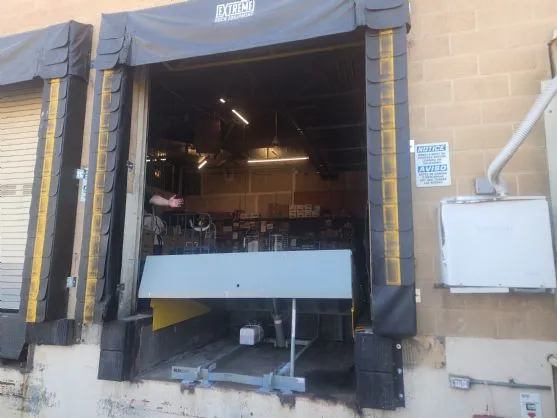
Selecting the right dock leveler type is not just about upfront cost. It is about matching Climate the equipment to your facility’s actual traffic, freight weight, and available space so it performs reliably for years to come. Taking the time to evaluate these factors now can prevent costly mismatches and unnecessary repairs down the line, while also supporting a safer and more efficient loading dock overall.
If you are unsure which dock leveler type fits your Sacramento facility best, R&S Overhead Doors and Gates of Sacramento, Inc., Inc. can walk you through your options and help you choose equipment suited to your specific traffic and freight needs. Our team takes the time to understand your facility’s daily operations before recommending a solution. Contact us today or give us a call to schedule a consultation.
Frequently Asked Questions
Are mechanical dock levelers reliable for daily use?
Yes, mechanical levelers can perform reliably for facilities with lower to moderate traffic, though they require manual operation and occasional spring adjustments. Routine checks can help keep them functioning smoothly.
How do I know if an edge-of-dock leveler is enough for my facility?
If your facility handles lighter freight and has limited space, an edge-of-dock leveler may be sufficient, but heavier or high-volume operations typically need a larger system to keep up with demand.
Do vertical-storing levelers require more maintenance?
Not necessarily, vertical-storing levelers can actually require less maintenance over time since they help reduce debris buildup in the pit area. This can be a meaningful advantage in facilities with heavy seasonal rain exposure.
Is an air-powered dock leveler a good middle ground option?
Yes, air-powered systems often balance cost and performance well for facilities with moderate truck traffic and freight weight, making them a practical option for many mid-size operations.
Can I switch dock leveler types during a replacement?
Yes, replacement is often a good opportunity to upgrade to a different type that better matches your current traffic and freight needs, especially if your operations have grown since the original installation.
Does climate affect which dock leveler type I should choose?
Yes, Sacramento’s seasonal temperature shifts can affect hydraulic and air-powered systems, so this should be factored into your decision when comparing long term performance.
How much space do I need for a pit-style dock leveler?
Pit-style levelers, including hydraulic and mechanical types, generally require more installation space than edge-of-dock units, so available dock layout should be measured carefully beforehand.
Should I consult a professional before choosing a dock leveler type?
Yes, a professional inspection can help match the right type to your facility’s specific traffic, freight, and space requirements, reducing the risk of choosing equipment that does not fit your actual needs.
Should every commercial loading dock have a leveler installed?
Most commercial facilities with regular truck traffic benefit significantly from having one installed. Even moderate shipping volume justifies the investment over time.