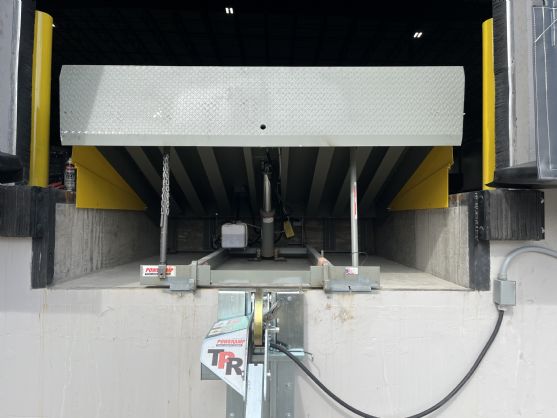
If you are wondering why your loading dock needs a dock leveler, the answer comes down to safety, efficiency, and protecting your equipment from unnecessary wear. A dock leveler closes the gap between your building and incoming trucks, which keeps freight moving smoothly and reduces the risk of accidents during loading and unloading. For Sacramento businesses that rely on steady shipping and receiving, this single piece of dock equipment can make a real difference in daily operations and overall workplace safety.
Many facility owners do not think much about their dock leveler until a problem arises, but understanding its role ahead of time can help prevent costly disruptions down the road. In this guide, we will cover the practical reasons a dock leveler matters, how it protects your team, and what can happen if a loading dock operates without one. Understanding these benefits can help facility managers make smarter decisions about equipment investment and ongoing maintenance, especially in a region where steady shipping activity is part of daily business.
The Real Risk of Loading Without a Dock Leveler
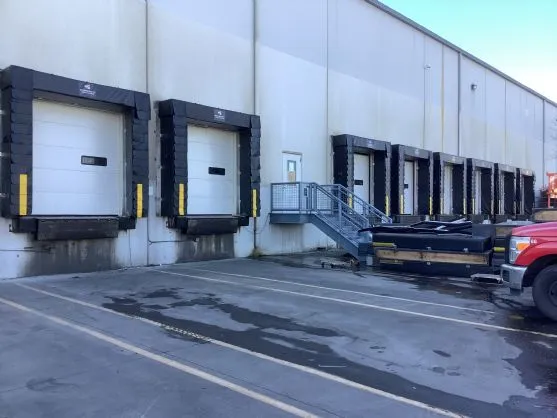
Without a dock leveler, the gap between a truck bed and the building creates an unstable surface for forklifts, pallet jacks, and workers. Even a small gap can cause a wheel to catch, leading to dropped freight or a serious fall.
This risk only grows as truck traffic increases throughout the day. Facilities that handle multiple deliveries during busy shipping windows face repeated exposure to these hazards every time a truck arrives without a properly leveled connection point. Over weeks and months, this repeated exposure can quietly increase the likelihood of an incident, even in facilities with otherwise careful staff.
What Can Go Wrong Without Proper Leveling
- Forklift wheels can catch on uneven gaps
- Pallet jacks may tip if the surface shifts unexpectedly
- Workers face a higher risk of slips and falls
- Freight can shift or fall during transfer
- Trucks may need to be repositioned repeatedly to align properly
These issues are not just inconvenient. They represent real safety hazards that can lead to lost time, damaged inventory, or worker injuries that could have been avoided with proper equipment in place. In many cases, the cost of addressing these incidents after the fact far exceeds the cost of installing proper equipment from the start, which is why prevention tends to be the smarter long-term approach.
To understand exactly how a dock leveler solves these problems, How Does a Dock Leveler Work? breaks down the mechanism behind this equipment in detail.
How a Dock Leveler Improves Daily Efficiency
Beyond safety, a dock leveler helps loading dock operations run faster and with less friction. When the platform adjusts automatically to truck height, workers can move freight without constant adjustments or delays.
This efficiency gain becomes especially noticeable in facilities that work with multiple carriers throughout the day, since truck bed heights can vary significantly from one delivery to the next. A dock that adapts quickly to each new vehicle keeps the entire shipping schedule moving without unnecessary pauses.
Efficiency Benefits Worth Noting
- Faster loading and unloading times
- Less manual repositioning of trucks
- Smoother forklift movement across the platform
- Reduced wait times during high-volume shipping periods
- Consistent workflow regardless of truck size variation
When loading operations run smoothly, staff can focus on accuracy and care rather than fighting against equipment limitations. This shift often leads to fewer errors and a more organized workflow overall. Over the course of a busy week, these small efficiency gains add up to noticeably smoother operations.
Protecting Your Equipment and Reducing Long Term Costs
A dock leveler does more than protect people. It also protects forklifts, pallet jacks, and the freight itself from damage caused by uneven transitions between the building and the truck.
Over time, repeated stress from uneven surfaces can shorten the lifespan of material handling equipment, which adds up to real costs for facilities that rely heavily on forklifts and pallet jacks throughout the workday. Replacing damaged equipment or repairing freight that was dropped during transfer often costs far more than maintaining a properly working leveler in the first place. Pairing regular leveler maintenance with commercial overhead door services can further reduce long term costs, since both systems take on daily wear and benefit from the same proactive approach to upkeep.
Long Term Value of a Dock Leveler
- Reduces wear on forklift tires and suspension
- Lowers the chance of damaged freight during transfer
- Decreases the need for frequent equipment repairs
- Supports consistent operations as truck traffic increases
- Helps avoid costly downtime from accidents or equipment strain
Facilities that view a dock leveler as a long term investment rather than a one time purchase tend to experience fewer unexpected repair costs and smoother operations year after year. This long-term mindset also makes budgeting for maintenance and eventual replacement easier to plan around, rather than scrambling to cover an emergency repair during a busy shipping period.
If you are deciding which type of leveler best supports your equipment and traffic volume, Which Dock Leveler Type Should You Choose? compares the available options in more detail.
Compliance and Workplace Safety Standards
Loading dock safety is not just good practice, it often ties directly into workplace safety expectations. A properly functioning dock leveler supports a safer environment that aligns with general industrial safety standards.
Facility managers who prioritize this kind of equipment maintenance often find it easier to maintain a strong safety record, which matters both for worker wellbeing and for overall operational reputation. Insurance considerations and liability concerns also tend to improve when a facility can demonstrate consistent attention to equipment safety.
Safety Standards to Keep in Mind
- Stable loading surfaces reduce fall and injury risk
- Proper equipment supports compliance with workplace safety expectations
- Routine inspection helps maintain safe operating conditions
- Clear safety markings should remain visible and unobstructed
- Staff training on dock leveler use supports a safer facility overall
Building a culture of safety around loading dock operations does not happen overnight, but consistent attention to equipment condition and staff awareness makes a measurable difference over time. Facilities that treat safety as an ongoing priority tend to see fewer incidents and stronger morale among their teams, which often carries over into other areas of daily operations as well.
Reviewing OSHA’s guidelines on powered industrial trucks can give Sacramento facility managers a clearer picture of how dock equipment fits into broader workplace safety practices.
Why This Matters for Sacramento Warehouses and Distribution Centers
Sacramento’s growing logistics and distribution sector means many local facilities handle a high volume of daily truck traffic. A dock leveler that performs reliably supports faster turnaround times and fewer disruptions, which matters in a competitive shipping environment.
As more distribution centers and warehouses move into the Sacramento area, facilities that keep their loading dock equipment in strong working condition tend to handle volume increases more smoothly than those relying on outdated or poorly maintained systems. This becomes especially important during peak seasons when shipping volume can spike unexpectedly and equipment reliability matters more than ever.
Local Factors That Make a Dock Leveler Essential
- High truck volume increases daily wear on loading equipment
- Older commercial buildings may have outdated or undersized levelers
- Seasonal weather shifts can affect equipment performance
- Consistent maintenance supports uninterrupted shipping schedules
- A reliable leveler helps facilities keep pace with demand
Facility managers who stay ahead of these local factors are better positioned to handle growth without sacrificing safety or efficiency along the way. Staying proactive rather than reactive tends to pay off significantly over time, especially as shipping demands continue to grow across the region, and as more businesses compete for faster, more reliable delivery turnaround. For broader guidance on facility layout and equipment placement, designing a safe and efficient loading dock offers useful context for facilities planning improvements.
If your current setup is showing signs of wear, When Should You Replace a Dock Leveler? walks through the warning signs that indicate it may be time for a replacement.
Keep Your Loading Dock Safe and Efficient
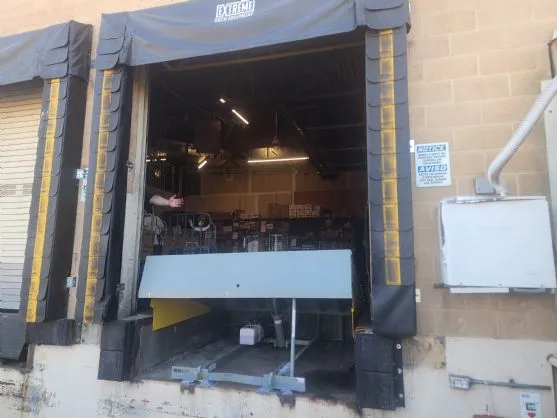
A dock leveler is one of the most practical investments a facility can make to protect workers, equipment, and freight during everyday loading operations. From reducing accident risk to improving efficiency, the benefits extend well beyond a simple platform that bridges a gap. Facilities that prioritize this equipment often see fewer disruptions and a safer environment for their entire team, which ultimately supports stronger relationships with both staff and shipping partners.
If you want to make sure your loading dock is operating safely and efficiently, R&S Overhead Doors and Gates of Sacramento, Inc., Inc. has helped local businesses across the Sacramento area evaluate and upgrade their loading dock equipment. Our team can inspect your current setup, walk you through the available options, and recommend the right solution based on your facility’s specific traffic and freight needs. Contact us today or give us a call to schedule an inspection.
Frequently Asked Questions
How does a dock leveler reduce workplace injuries?
It creates a stable, even surface between the truck and the building, which reduces the chance of slips, falls, and equipment accidents. This stability matters most during high-traffic shipping periods.
Does a dock leveler help with different truck heights?
Yes, it adjusts to accommodate varying truck bed heights, which keeps the loading surface level regardless of vehicle size. This flexibility is especially useful for facilities working with multiple carriers.
Is a dock leveler a good investment for a small warehouse?
Even smaller facilities benefit from reduced injury risk and smoother operations, making it a worthwhile investment regardless of size. The upfront cost is often outweighed by long-term savings.
Can a dock leveler help reduce forklift damage?
Yes, a stable transition surface reduces strain on forklift wheels and suspension during repeated use. This can extend the life of material handling equipment significantly.
How quickly does a dock leveler respond when a truck arrives?
Most systems adjust within seconds once a truck is properly positioned at the dock. This quick response helps keep loading schedules on track.
Does having a dock leveler improve shipping turnaround times?
Yes, smoother loading and unloading help reduce delays, especially during high-volume shipping periods. Faster turnaround also supports stronger relationships with shipping partners.
Are dock levelers required by law?
Specific requirements vary, but workplace safety standards generally encourage stable, safe loading surfaces to protect workers. It is worth checking local guidelines for your specific facility type.
Can weather impact how well a dock leveler performs?
Yes, temperature changes can affect hydraulic and mechanical components, which is why regular maintenance matters. Seasonal inspections can help catch issues before they become serious.
Should every commercial loading dock have a leveler installed?
Most commercial facilities with regular truck traffic benefit significantly from having one installed. Even moderate shipping volume justifies the investment over time.