If you have ever wondered how a dock leveler works, the short answer is that it bridges the gap between a building and a truck bed so goods can move safely between the two. A dock leveler is a piece of dock equipment that adjusts to different truck heights, keeping forklifts and workers steady as they move freight. For warehouses and commercial buildings across Sacramento, this small piece of dock equipment plays a big role in keeping daily operations safe and efficient.
In this guide, we will walk through what a dock leveler actually does, the basic mechanics behind it, the different types available, the safety features built in, and the signs that tell you when one needs attention. Whether you manage a busy distribution center or a smaller commercial building, understanding this equipment can help you avoid costly downtime and keep your team safe during everyday loading and unloading.
What Is a Dock Leveler and Why Does It Matter
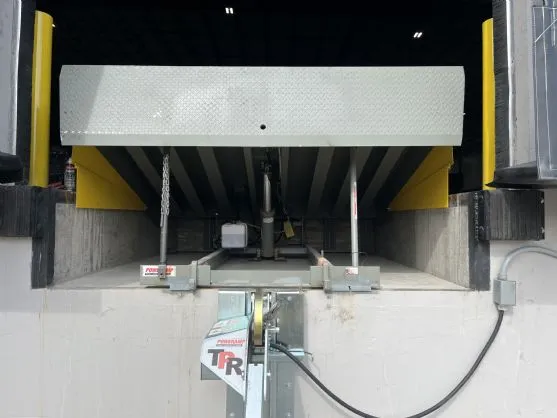
A dock leveler is the platform installed at a loading dock that adjusts up or down to match the height of an incoming truck bed. Without it, the gap between the building and the truck would create a serious hazard for anyone moving freight with a pallet jack or forklift. This is why a loading dock leveler is considered one of the most important pieces of loading dock equipment in any warehouse setting.
Most commercial buildings rely on this equipment daily, often without anyone giving it much thought until something goes wrong. A properly functioning leveler keeps freight moving on schedule, reduces physical strain on workers, and lowers the chance of accidents during busy shipping hours. Many facilities that invest in dock levelers also turn to commercial overhead door services to keep the rest of their loading dock running smoothly, since both systems work together to support safe, efficient shipping operations.
Key Functions of a Loading Dock Leveler
- Closes the gap between the dock and the truck bed
- Adjusts to uneven or varying truck heights
- Supports the weight of forklifts and loaded pallets
- Provides a stable surface for continuous loading and unloading
- Reduces strain and risk for warehouse staff
If you want a deeper inspection of the reasons this equipment is so important, check out Why Your Loading Dock Needs a Dock Leveler, which breaks down the practical benefits in detail.
The Basic Mechanism Behind Dock Levelers
At its core, a dock leveler works through a simple combination of a platform and a lip. The platform rises or lowers to meet the truck bed, while the lip extends outward to rest on the truck floor, creating a smooth, connected surface.
This process happens in just a few seconds, but it relies on a careful balance of mechanical or hydraulic parts working together. Any disruption to this sequence, whether from worn parts or buildup of debris, can affect how smoothly the leveler performs.
How the Platform and Lip Extend and Retract
- The platform is raised using a spring, hydraulic cylinder, or air bag system
- Once raised, the lip swings out and rests on the truck bed
- The platform then lowers slightly until it settles into position
- When the truck pulls away, the leveler automatically returns to a resting position
- Some models include a barrier that stops the platform from over-extending
This entire cycle is designed to happen automatically once a truck backs into position, which is part of why dock levelers are so valuable for facilities that handle frequent deliveries throughout the day.
Hydraulic vs Mechanical vs Air-Powered Operation
- Hydraulic levelers use fluid pressure for smooth, controlled movement
- Mechanical levelers rely on springs and require manual release
- Air-powered levelers use an air bag system for lighter, faster operation
- Each type affects how quickly and smoothly the platform responds
- The right option often depends on how often the dock is used daily
Common Dock Leveler Types and How Each One Works
While the mechanism explains how a dock leveler moves, the type of leveler installed affects how that motion is powered and controlled. There are several dock leveler types, each suited to different facility needs and usage levels.
Choosing the right type often comes down to how frequently the dock is used, the weight of typical loads, and the available space around the loading area. Facilities with high daily truck traffic usually benefit from a more durable, heavy-duty system, while smaller operations may only need a lighter setup.
Quick Differences Between Leveler Types
- Hydraulic levelers handle heavy, frequent use with smooth control
- Mechanical levelers are simpler and more budget-friendly
- Air-powered levelers are lighter-duty but fast to operate
- Edge-of-dock levelers work well for smaller gaps and lighter loads
- Vertical-storing levelers save space in tighter dock areas
If you are trying to figure out which setup fits your facility best, Which Dock Leveler Type Should You Choose? goes deeper into comparing these options side by side.
Safety Features Built Into a Dock Leveler
Because a dock leveler supports heavy equipment and constant foot traffic, safety features are built directly into its design. These features help prevent slips, falls, and equipment damage during loading and unloading.
Workers who operate near loading docks should be trained to recognize these safety features and understand how to use them correctly. Even well-designed equipment can become a hazard if these mechanisms are ignored or bypassed during busy shifts.
Safety Mechanisms to Know
- Toe guards that protect against pinch points
- Lip-locking mechanisms that hold the leveler in place during use
- Maintenance struts that secure the platform during inspection or repair
- Warning labels and markings near moving parts
- Automatic return-to-dock features for added control
These features are not just helpful extras. They are essential parts of the equipment that, when properly maintained, allow workers to focus on loading and unloading without constantly worrying about the platform shifting unexpectedly.
Following OSHA’s guidelines on powered industrial trucks can help facilities reduce accidents when forklifts move on and off the dock leveler, especially in high-traffic warehouse environments.
Signs a Dock Leveler Needs Maintenance or Repair
Like any mechanical equipment, a dock leveler can wear down over time. Catching small issues early helps avoid bigger, more expensive problems later, and keeps the loading dock safer for everyone using it.
Regular checks do not need to be complicated. A few minutes of observation during normal operation can reveal a lot about how well the equipment is holding up, especially in facilities that load and unload trucks multiple times a day.
What to Check Regularly
- Listen for grinding or unusual noises during operation
- Inspect the lip and platform for visible wear or cracking
- Check hydraulic or air systems for leaks
- Watch for uneven movement or slow response time
- Confirm that safety mechanisms like toe guards are still functioning
If you notice any of these warning signs, When Should You Replace a Dock Leveler? walks through how to tell the difference between a minor issue and a leveler that needs full replacement.
For general background on how these systems fit into broader facility design, loading dock systems can vary widely depending on building size and shipping volume, which is part of why choosing the right leveler setup matters.
Why Proper Dock Leveler Function Matters for Sacramento Businesses
Sacramento’s mix of warehouses, distribution centers, and commercial buildings depends heavily on smooth loading dock operations. A dock leveler that works properly keeps freight moving without unnecessary delays or safety risks, which matters in a region with steady commercial and shipping activity.
Many commercial properties in the Sacramento area were built decades ago, which means some loading dock equipment may be older than the businesses currently operating in those spaces. Knowing the age and condition of your equipment can make a noticeable difference in avoiding unexpected breakdowns during peak shipping seasons.
Local Considerations for Warehouse and Commercial Docks
- High shipping volume means more daily wear on equipment
- Seasonal temperature shifts can affect hydraulic and mechanical parts
- Older commercial buildings may have dock levelers nearing the end of their service life
- Routine inspection helps avoid unexpected downtime during busy periods
- A well-maintained dock leveler supports faster turnaround for delivery trucks
For facilities looking to improve dock safety and efficiency, designing a safe and efficient loading dock starts with proper equipment placement and consistent maintenance checks.
Keeping Your Loading Dock Running Smoothly
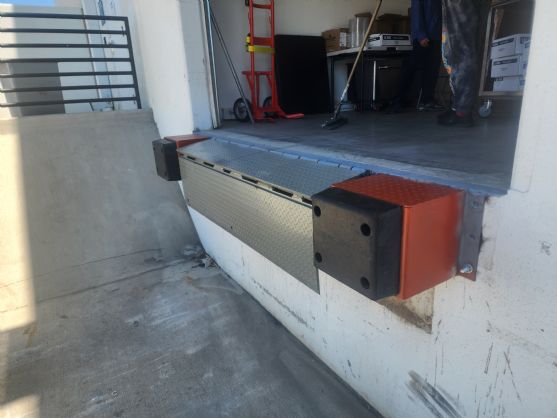
A dock leveler may seem like a simple piece of equipment, but it plays a major role in keeping a loading dock safe, efficient, and ready for daily use. Understanding how it works, the types available, and the warning signs of wear can help any facility avoid unnecessary downtime or safety risks. Taking a proactive approach to inspection and care goes a long way toward protecting both your team and your equipment investment.
If your dock leveler is showing signs of wear or you are unsure which type fits your facility, R&S Overhead Doors and Gates of Sacramento, Inc., Inc. has experience helping local businesses keep their loading dock equipment safe and reliable. Our team can inspect your current setup, walk you through your options, and help you find the right solution for your building. Contact us today or give us a call to schedule an inspection and keep your loading dock running the way it should.
Frequently Asked Questions
What causes a dock leveler to stop working properly?
Worn hydraulic seals, damaged springs, or buildup of debris around moving parts are common reasons a leveler stops responding correctly.
Can a dock leveler be used with any size truck?
Most dock levelers are designed to adjust within a specific height range, so it is important to confirm compatibility with the trucks your facility uses most.
Is it normal for a dock leveler to make noise?
Some operational sound is normal, but grinding or loud clunking noises usually point to a part that needs inspection.
How often should a dock leveler be inspected?
Routine inspection on a regular schedule helps catch small issues before they turn into safety hazards or costly repairs.
Does weather affect how a dock leveler performs?
Yes, temperature changes can affect hydraulic fluid and mechanical components, especially during seasonal shifts.
What is the average cost to repair a dock leveler?
Repair costs vary depending on the issue and equipment type, so it is best to get an inspection for an accurate estimate.
Can a damaged dock leveler be a safety hazard?
Yes, a malfunctioning leveler can create gaps or unstable surfaces that put workers and equipment at risk.
Do all loading docks need a dock leveler?
Most commercial loading docks benefit from one, especially where trucks of varying heights are loaded and unloaded regularly.
Who should inspect a dock leveler?
A qualified technician familiar with loading dock equipment should handle inspections to ensure safety mechanisms are working correctly.