

Hollow metal doors typically last 30 to 40 years when properly maintained. In some commercial or industrial settings, well-kept units have been known to push past that range. But in Sacramento’s climate, where dry summers and wet winters take turns battering exterior doors, the actual lifespan depends heavily on installation quality, maintenance habits, and environmental exposure.
This breaks down everything that affects hollow metal door longevity, what warning signs to look for, and how to get the most out of every door on your property.
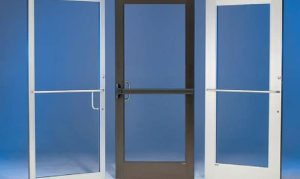
What Is a Hollow Metal Door, Exactly?
Before diving into lifespan, it helps to know what you are dealing with. A hollow metal door is a steel-skinned door with an internal core, typically made of honeycomb cardboard, polystyrene foam, or steel stiffeners. They are used in commercial buildings, schools, hospitals, storage facilities, and yes, residential garages.
These doors are popular because they offer strong fire resistance, solid security, and a relatively low upfront cost compared to solid steel. However, “hollow” does not mean weak. When installed correctly, they handle heavy daily use like a champ.
For a deeper look at how these doors work and what damage to watch for, check out What Is a Hollow Metal Door? Signs You Need Repair covers the warning signs that Sacramento property owners often miss until it is too late.
7 Key Factors That Determine How Long a Hollow Metal Door Lasts
1. Door Grade and Steel Gauge
Not all hollow metal doors are built the same. The thickness of the steel, measured in gauge, plays a major role in how long the door holds up.
- 18-gauge steel is standard for light commercial use
- 16-gauge is better for high-traffic areas
- 14-gauge is used in heavy-duty commercial and industrial settings
Thicker steel resists denting, warping, and impact damage far better. A 14-gauge door in a Sacramento warehouse will outlast an 18-gauge door at a budget motel every single time.
Semantic tip for shoppers: When comparing hollow metal door specs, ask about gauge, core type, and whether the door meets ANSI/SDI (Steel Door Institute) standards.
Already dealing with damage on your current door? Read Can a Hollow Metal Door Be Repaired? to find out what is fixable and what is not before spending money on the wrong solution.
2. Quality of Installation
A top-of-the-line door installed poorly will fail years before its time.
Common installation mistakes include:
- Improper alignment of the door frame
- Gaps that allow moisture intrusion
- Insufficient anchor points for the frame
- Wrong hardware selection for door weight
In Sacramento, where temperature swings between summer heat and winter rain are the norm, a door that was not installed square will expand, contract, and eventually warp. That warping leads to seal failure, drafts, and security gaps.
What to check: After installation, make sure the gap between the door and frame is even on all four sides. It should be no wider than 1/8 inch.
If the door is already giving trouble after installation, the article Why Is My Hollow Metal Door Hard to Close? breaks down the most common reasons and what steps to take next.
3. Exposure to Moisture and Weather
Sacramento sits in a Mediterranean climate, which means hot, dry summers and wet winters. The rain season, typically November through March, is when hollow metal doors take the most abuse.
Moisture is the number one enemy of steel doors. It seeps into scratches and chips in the paint, then starts the rust process from the inside out. By the time you see visible rust on the surface, the damage underneath is often already significant.
Areas most vulnerable to moisture damage:
- The bottom edge of the door
- Corner welds and seams
- The door frame base (called the threshold area)
- Any surface scratches or chips left unrepaired
What to check: Inspect the bottom of the door and the frame base every fall before the rainy season hits. Look for bubbling paint, discoloration, or soft spots in the steel.
4. Frequency of Use
A hollow metal door on a storage unit that opens twice a week will outlast one on a busy Sacramento restaurant kitchen entrance that swings open 200 times a day. It is simple physics.
High-traffic doors experience faster wear on:
- Hinges and hinge reinforcements
- Latch and strike plate areas
- Door closer mechanisms
- Surface finish
What to check: On high-traffic doors, inspect hinges every six months. Loose or squeaky hinges are early indicators of wear that, if ignored, lead to alignment problems and frame stress.
5. Maintenance Habits
This is the factor that homeowners and facility managers have the most control over. A well-maintained hollow metal door can reach 40 years or beyond. A neglected one might need replacement in 15.
Routine maintenance checklist:
- Clean the door surface regularly with mild soap and water
- Reapply touch-up paint to chips and scratches as soon as they appear
- Lubricate hinges, closers, and latch mechanisms twice a year
- Check weatherstripping and replace it when it becomes brittle or torn
- Inspect the bottom door sweep and replace if damaged
In Sacramento’s dusty Central Valley climate, door hardware collects grit faster than in coastal cities. That grit acts like sandpaper on moving parts.
6. Hardware Quality
Cheap hardware is a silent killer of hollow metal door lifespan. Low-quality door closers fail and put stress on hinges. Weak latch assemblies wear out the strike plate area. Substandard hinges allow the door to sag.
Hardware brands and grades that meet ANSI/BHMA (Builders Hardware Manufacturers Association) standards are worth the extra investment. In commercial settings in Sacramento, Grade 1 hardware is the standard for doors that see daily use.
What to check: If a door is dragging on the floor or frame, check the hinges first. A dragging door stresses every component it touches and accelerates wear across the board.
7. Coating and Finish Quality
The factory-applied paint or primer on a hollow metal door is the first line of defense against corrosion. Doors with a high-quality electrostatic primer or epoxy-based coating resist rust significantly better than those with basic primers.
For exterior doors in Sacramento, a high-quality exterior-grade finish or regular repainting schedule is non-negotiable. UV exposure during Sacramento’s long, sunny summers degrades paint faster than in cooler climates, and faded paint means reduced corrosion protection.
What to check: If the paint looks chalky, faded, or is peeling in areas, that is a sign the protective coating is failing. Address it before rust sets in.
5 Warning Signs Your Hollow Metal Door Needs Attention
Catching problems early saves money and extends the door’s life.
Watch for these red flags:
- Visible rust or bubbling paint – Surface rust can often be treated, but deep or widespread rust may signal the door is near end-of-life.
- Door no longer latching properly – Usually a sign of frame warping or hinge wear.
- Drafts around the door edges – Weatherstripping failure or frame misalignment.
- Squeaking or grinding sounds – Hardware lubrication needed, or hinge wear.
- Visible dents or deformation – Compromised structural integrity, especially around locking points.
If you are seeing two or more of these signs on the same door, call a licensed door technician. Trying to patch a door that is structurally compromised can be a security and safety risk.
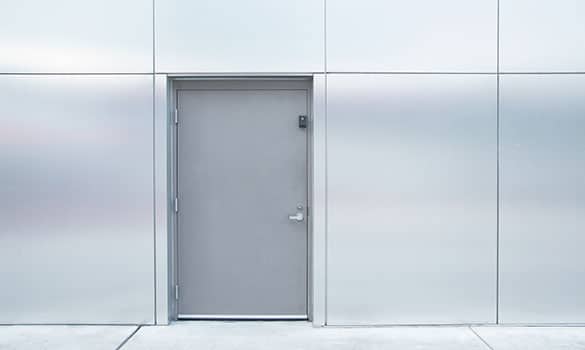
How to Extend the Life of a Hollow Metal Door in Sacramento
Protect the Bottom of the Door
The bottom edge is where most failures start. A good-quality door sweep keeps out moisture and debris. In Sacramento’s rainy season, water pooling at entryways is common, especially in commercial parking areas and loading docks.
Tip: Replace door sweeps every two to three years, or sooner if they show wear. Average cost for a professional sweep replacement is low and far cheaper than premature door replacement.
Touch Up Paint Chips Immediately
Every chip and scratch is an invitation for rust. Keep a small can of touch-up paint that matches the door’s finish on hand. It takes five minutes to apply and can add years to the door’s life.
Invest in a Quality Door Closer
A properly calibrated door closer protects the door, frame, and hardware from the stress of slamming. In Sacramento’s commercial districts, where delivery traffic and employee entrances see hundreds of cycles daily, a door closer pays for itself in extended hardware life.
Schedule Annual Professional Inspections
Just like HVAC systems or roofing, hollow metal doors benefit from a professional eye once a year. A certified door technician can catch alignment issues, frame corrosion, and hardware wear before they turn into costly replacements.
Many Sacramento-area commercial property managers schedule door inspections alongside other annual facility maintenance in the fall, right before the rainy season.
When to Replace Instead of Repair
At some point, repair stops making financial sense. Consider full replacement when:
- The door frame has significant corrosion or structural damage
- The door has been hit by a vehicle or heavy impact
- Fire rating labels are missing or damaged (critical for code compliance)
- Repeated repairs are not holding
- The door no longer meets current building code or ADA requirements
For Sacramento businesses, staying compliant with California’s Title 24 building standards and ADA accessibility requirements is not optional. An aging hollow metal door that no longer closes properly or meets fire rating requirements is a liability issue, not just a maintenance issue. The same applies to surrounding dock equipment such as levelers, seals, and bumpers, since worn or failing components in that area put additional stress on the door and accelerate the need for full replacement.
Ready to Get Expert Help With Your Door?
Sacramento property owners trust R&S Overhead Doors and Gates of Sacramento, Inc., Inc. for honest, experienced service on every job. From routine inspections to full door installations, the team handles it all with care and expertise. Do not let a small issue turn into a costly fix. Contact us today or give us a call to schedule your inspection and keep your property secure year-round.