
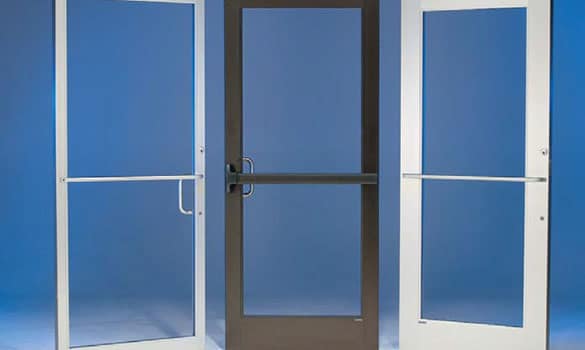
A hollow metal door that refuses to close properly is more than just an inconvenience. In Sacramento’s climate, where temperatures can swing from near-freezing winters to blazing 100°F+ summers, even a well-installed commercial steel door can start fighting back. Whether it’s a side entry door on a commercial building, a fire-rated door in a warehouse, or a metal access door on a garage, the problem usually comes down to a handful of fixable causes. Hollow metal doors are built to last, but they still need attention when the signs start showing up.
This breaks down the 10 most common reasons a hollow metal door becomes hard to close, what to look for, and how to stay ahead of the problem before it gets worse.
What Is a Hollow Metal Door, and Why Does It Matter?
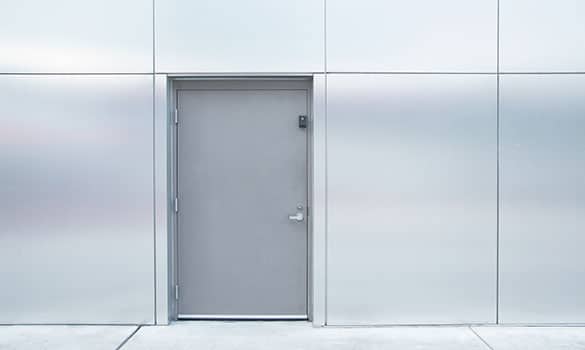
A hollow metal door is a steel door built with a metal face and a core that can be filled with insulation, honeycomb cardboard, or left partially hollow. These doors are common in commercial buildings, schools, hospitals, multi-unit housing, and garage facilities across Sacramento.
They are durable, fire-resistant, and low-maintenance by design. But like any mechanical system, they have weak points. Understanding those weak points is the first step to solving a closing problem.
Want to go deeper on the basics and catch early warning signs before they turn into costly repairs? This is a great starting point: What Is a Hollow Metal Door? Signs You Need Repair.
10 Reasons Your Hollow Metal Door Is Hard to Close
1. The Door Frame Is Out of Alignment
This is the number one cause. When the steel frame shifts even a fraction of an inch, the door no longer sits square in the opening. The result is friction, binding, and that frustrating push-and-shove routine every time someone tries to close it.
What to check: Look at the gap between the door and the frame. If it’s wider on one side than the other, or if the door rubs against the frame at the top or bottom, the frame is likely out of square.
Pro tip: In Sacramento, soil shifting is common due to expansive clay soils. Buildings settle, and when they do, door frames follow. This is not always a quick fix.
Wondering if a misaligned frame means the whole door is done for? Get a clear answer here: Can a Hollow Metal Door Be Repaired?
2. Worn or Loose Hinges
Hinges take thousands of open-and-close cycles. Over time, the screws back out, the hinge pins wear down, and the door begins to sag. A sagging door drags on the threshold and catches on the latch side of the frame.
What to check: Open the door slowly and watch whether it drops as it swings. Try to wiggle the door up and down at the latch side. Movement there usually points to hinge problems.
Tip to avoid this: Schedule a hinge inspection at least once a year. Tightening loose hinge screws early is inexpensive. Replacing a destroyed hinge and repairing the frame it stripped out is not.
Hinge wear is one of the biggest factors that affects a door’s overall lifespan. Find out what to expect from a properly maintained door: How Long Does a Hollow Metal Door Last?
3. A Faulty or Misadjusted Door Closer
Most commercial hollow metal doors have an overhead door closer. That hydraulic arm controls how fast the door swings shut. When the closer loses fluid, gets too cold, or is set with too much backpressure, the door becomes difficult to close by hand.
What to check: Watch how the door behaves on its own. Does it stop before fully latching? Does it slam or barely move? Closer issues show up in the swing speed and the final closing force.
Note: Door closer failure is one of the most common service calls in Sacramento commercial properties, especially after a hot summer that cooks the hydraulic fluid.
4. The Door Is Warped or Bowed
Even steel can warp. Extreme heat exposure, moisture infiltration at the bottom of the door, or a manufacturing defect can cause a hollow metal door to bow outward or inward. When this happens, the door no longer fits flush against the frame or the weather seal.
What to check: Close the door and look at it from the side. Any visible curve or bow in the face of the door is a red flag. Run a straightedge along the door face if needed.
5. Damaged or Compressed Weather Stripping
Weather stripping seals the gap between the door and the frame. When it gets old, compressed, or torn, it can bunch up and create resistance that makes the door feel stuck. This is especially noticeable on the latch side or along the top of the door.
What to check: Run a finger along all four sides of the door seal. If the stripping is flat, cracked, or peeling away, it needs to be replaced. This is one of the easiest and most affordable fixes.
Sacramento-specific tip: The heat in the Sacramento valley degrades rubber and foam weather stripping faster than in cooler climates. Check it every spring before the hot season starts.
6. A Misaligned Strike Plate or Latch
The strike plate is the metal piece on the frame that the latch bolt slides into. If the strike plate shifts or the latch is not lined up correctly, the door will not fully latch without force. This often gets misdiagnosed as a hinge or closer problem.
What to check: Watch exactly where the latch bolt hits when the door closes. If it’s catching on the edge of the strike plate rather than sliding cleanly into the hole, the plate or the latch itself needs adjustment.
7. Debris or Damage at the Threshold
The threshold is the metal strip at the base of the door opening. If it gets bent, warped, or packed with debris like dirt, gravel, or leaves, the bottom of the door catches on it. This is common in garage entry points and exterior-facing doors in Sacramento’s dusty summers.
What to check: Open the door fully and look at the threshold. Any visible debris should be cleared. Look for bends or cracks in the metal.
8. Rust or Corrosion on Door Components
Sacramento is not a coastal city, but irrigation, morning fog in the valley, and seasonal rain are enough to cause rust on exposed steel components. Hinge barrels, latch mechanisms, and frame edges are all vulnerable.
What to check: Look for orange or brown discoloration at the hinge points, around the latch, and along the bottom edge of the door. Surface rust on the face is cosmetic. Rust at the hinges or inside the frame is structural.
Prevention tip: Apply a light coat of penetrating lubricant to hinge pins and latch mechanisms twice a year.
9. Building Settlement or Foundation Shift
As mentioned with frame alignment, Sacramento’s soil conditions contribute to gradual building movement. Over months and years, the structure shifts, and the rough opening that the door frame sits in can rack out of square. No amount of hinge tightening fixes a racked opening.
What to check: Look for diagonal cracking in the wall near the door opening. Check whether the floor is level beneath the threshold. These are signs of structural movement, not just door hardware wear.
When to call a professional: If the building itself has shifted, the door is only a symptom. A commercial door technician can adjust the frame, but a structural evaluation may also be warranted.
10. Improper Installation from the Start
Sometimes the door was never installed correctly. Maybe the frame was not plumb and level when it was set. Maybe the door was hung with the wrong hinges for its weight. Over time, those small errors compound into big closing problems.
What to check: If the door has been difficult to close since it was installed or since a recent replacement, improper installation is the likely cause. Check whether the correct size and weight-class of hardware was used.
How to Prevent Hollow Metal Door Problems in Sacramento
Prevention is always cheaper than repair. Here is what building owners and facility managers in Sacramento can do to extend the life of their hollow metal doors:
- Inspect hinges and closers every 6 months, especially before summer heat sets in.
- Lubricate moving parts twice a year with a dry or penetrating lubricant. Avoid WD-40 on hinge pins as a long-term solution.
- Check weather stripping annually and replace it before it compresses completely.
- Clear the threshold regularly in exterior and garage-facing installations.
- Address frame alignment early. A small frame adjustment costs far less than a full frame replacement or door replacement.
- Do not ignore a door that is slightly difficult to close. That small problem becomes a bigger one quickly.
When to Call a Professional in Sacramento
Some hollow metal door issues are DIY-friendly, like replacing weather stripping or tightening visible screws. But most of the problems on this list require a trained commercial door technician.
Trying to adjust a door frame, recalibrate a hydraulic closer, or re-hang a heavy hollow metal door without experience can make things worse, and in the case of fire-rated doors, it can create code compliance issues.
Average repair costs for hollow metal door service in Sacramento vary depending on the issue. Hinge replacement and adjustment tends to be on the lower end. Frame work and full door closer replacement sit in the mid-range. Full door replacement or frame rebuilding carries a higher average cost. Always get a written estimate before any work begins.
Sacramento-based commercial door companies familiar with local building codes, soil conditions, and climate demands are the best choice for this type of work. Many also service dock equipment, so if a loading dock door or related hardware is part of the same facility, it is worth addressing everything in a single service visit.

Ready to Get It Fixed the Right Way?
Sacramento property owners have trusted R&S Overhead Doors and Gates of Sacramento, Inc., Inc. for dependable, code-compliant hollow metal door service for years. The team brings local expertise in commercial door repair, frame adjustments, and hardware replacement. Do not let a small problem turn into a bigger repair bill. Contact us today or give us a call to schedule a service visit and get a written estimate.