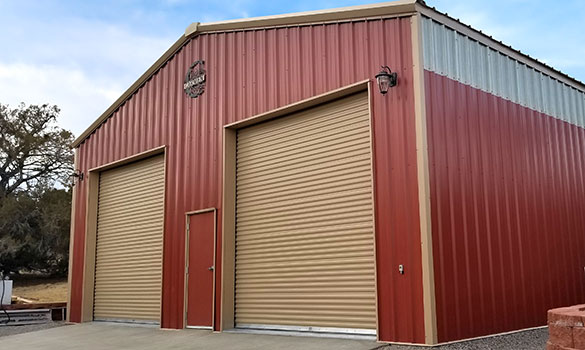
A commercial rolling door that is working properly is easy to ignore. It opens, it closes, and it stays out of your way while your business runs. But when something starts to go wrong, that door can quickly become a liability. Ignoring the early warning signs often turns a simple repair into a much bigger and more expensive problem.
Business owners and facility managers in Sacramento deal with doors that face real daily wear, from heavy forklift traffic to fluctuating temperatures and constant open-and-close cycles. Knowing what to watch for can save you time, money, and the frustration of an unexpected breakdown during business hours. Here are the most important signs that your commercial rolling door needs professional attention.
The Door Is Moving Slower Than Usual
A well-functioning commercial rolling door opens and closes at a consistent speed. If you notice it slowing down, hesitating before it moves, or stopping partway through a cycle, that is not normal. Slow operation is often one of the first signs that something is wearing out inside the mechanism.
Common reasons for slow door movement include:
- Worn or weakening torsion springs that are losing tension
- Lack of proper lubrication on the moving components
- A motor that is beginning to fail or is losing power
- Misaligned tracks are causing unnecessary resistance during operation
Do not wait for the door to stop completely before calling a technician. Slow operation is a warning, and catching it early keeps the repair scope smaller.
Before making a decision, reading Commercial Rolling Doors: Benefits and Best Uses will give you a clear understanding of what makes these doors so effective.
You Hear Unusual Sounds During Operation
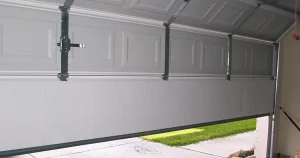
Commercial rolling doors are not silent, but they should operate with a consistent, relatively quiet sound. If you start hearing grinding, squealing, banging, or rattling during operation, something is wrong. These sounds are the door telling you that a component is under stress or starting to fail.
- Grinding sounds often point to metal-on-metal contact caused by misalignment or lack of lubrication
- Squealing or squeaking typically signals dry bearings or worn slats rubbing against each other
- Banging or popping can indicate a broken spring or a slat that has come loose
- Rattling may mean that hardware has become loose or that debris is caught in the track
Have a qualified technician inspect the door as soon as unusual sounds appear. Running a door with damaged internal components accelerates wear on surrounding parts.
The Door Is Visibly Off Track or Misaligned
If your commercial rolling door looks crooked, gaps appear along one side, or the slats do not line up evenly when the door is closed, the door is likely off track or misaligned. This is a problem that only gets worse with continued use.
Misalignment can happen due to:
- An impact from a vehicle or piece of equipment
- A damaged or bent track section
- Worn rollers that are no longer guiding the door correctly
- Foundation shifts that have changed the alignment of the door frame
A misaligned door creates uneven stress on the entire system. It can also compromise the security seal at the bottom and sides of the door, leaving gaps that allow pests, dust, and weather into your facility. Do not continue operating a visibly misaligned door. Stop using it and contact a professional right away.
The Door Does Not Open or Close Fully
A commercial rolling door that stops before reaching the top or does not close all the way to the floor is a clear signal that something is wrong. An incomplete operation leaves your facility exposed and can trigger security system alerts if the door is monitored.
Possible causes include:
- An obstruction in the track or along the door path
- A limit switch that has gone out of calibration on a motorized door
- Spring tension that is no longer sufficient to complete the full travel
- A damaged slat that is catching on part of the frame or track
According to the International Door Association (IDA), regular professional inspections are one of the most effective ways to catch mechanical issues before they lead to full door failure. Scheduling annual or semi-annual service visits helps keep your door operating within its designed parameters.
Checking whether the issue is an obstruction you can safely remove is a reasonable first step. For anything mechanical, a technician should handle the inspection and repair.
The Springs Show Signs of Wear or Damage
The springs in a commercial rolling door carry the weight of the door and control the tension during operation. When they begin to wear out or break, the door either becomes very difficult to operate or stops working entirely. Spring failure is one of the most common reasons commercial rolling doors stop functioning.
Signs of spring to watch for include:
- The door feels unusually heavy when operated manually
- You can see visible gaps, rust, or deformation in the spring coils
- The door drifts downward or does not stay in the open position
- You heard a loud bang from the door area, which often signals a spring has snapped
Spring replacement on commercial rolling doors is not a task for untrained workers. The tension stored in these springs is significant and can cause serious injury if handled improperly. Always call a licensed technician for spring-related repairs.
There Is Physical Damage to the Slats or Panels
Dented, bent, cracked, or corroded slats compromise both the appearance and the structural integrity of your commercial rolling door. A single damaged slat can affect how the entire door coils and uncoils, creating extra stress on surrounding components. In sectional doors, damaged panels create similar problems by affecting alignment, movement, and the overall strength of the door system.
Physical damage is common in facilities with forklift traffic, loading dock activity, or high vehicle movement near the door. In Sacramento’s commercial districts, impact damage is one of the most frequent reasons businesses call for rolling door service.
- Inspect slats regularly for dents, cracks, or corrosion
- Bent slats can catch on the track and prevent smooth operation
- Corroded slats weaken over time and may eventually fail under stress
- A few damaged slats can often be replaced individually without replacing the entire door
If you are unsure which type of door your facility has or whether individual slat replacement is an option for your model, reviewing Top Commercial Rolling Door Types for Every Business can help you understand the construction and repair options for your specific door.
The Weatherstripping Is Cracked, Torn, or Missing
Weatherstripping along the sides and bottom of a commercial rolling door serves as the seal between the door and the frame. When it deteriorates, you start losing the protection it provides against wind, rain, dust, and pests. In Sacramento, where summer heat and winter rain are both real factors, a compromised seal affects interior comfort and cleanliness.
Signs your weatherstripping needs attention:
- Visible gaps around the door edges when closed
- Drafts or dust coming through the door, even when fully closed
- Water intrusion along the bottom of the door during rain
- Cracked, brittle, or torn rubber seal material
Weatherstripping is a relatively straightforward replacement compared to mechanical repairs, but it should not be ignored. A door that lets in the elements is also letting in potential damage to inventory, equipment, and flooring.
The Motor or Operator Is Struggling
For motorized commercial rolling doors, the operator is the heart of the system. When the motor starts struggling, you will notice it in the way the door moves. Hesitation at startup, humming without movement, reversing unexpectedly, or tripping the breaker are all signs the operator needs professional attention.
Common operator issues include:
- A motor nearing the end of its service life
- Electrical connection problems affecting power delivery
- Control board failures are causing erratic behavior
- Drive chain or belt wear is affecting the transfer of power to the door
Ignoring motor issues can lead to a complete operator failure, which may leave your door stuck open or closed at the worst possible time. A technician can assess whether the motor can be repaired or needs to be replaced.
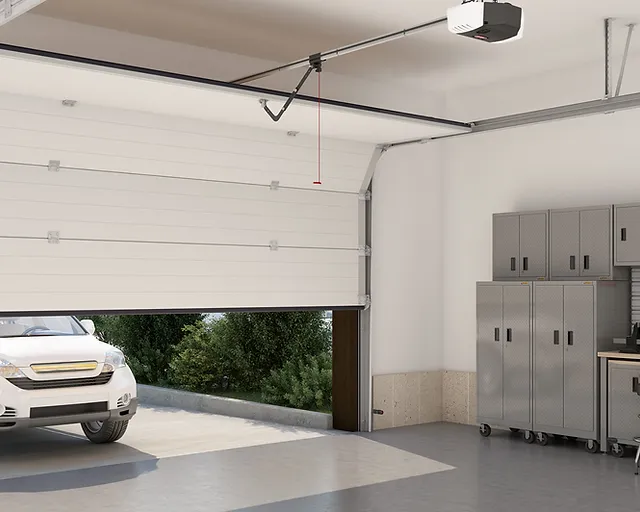
If your motorized commercial rolling door reverses direction on its own during normal operation, it is likely responding to a sensor issue or a miscalibrated safety feature. While the auto-reverse function is an important safety mechanism, it should only activate when there is an actual obstruction.
Unintended reversing can be caused by:
- Dirty or misaligned safety sensors
- Incorrect limit switch settings
- Interference from nearby equipment or lighting
- A mechanical issue causing resistance that triggers the safety system
This issue not only disrupts operations but can also signal that the safety system itself may not respond correctly in a real emergency. Have a technician inspect and recalibrate the system to restore reliable, safe operation.
Unexpected door behavior and sensor issues are also covered in garage door troubleshooting guides that explain how safety systems can malfunction.
The Door Has Not Been Inspected in Over a Year
Sometimes the most important sign is the absence of any recent professional attention. Commercial rolling doors experience significant stress during normal operation, and annual inspections are the best way to catch developing issues before they cause a breakdown or a safety concern.
If your door has not had a professional inspection in over 12 months, consider that a reason to schedule one. A qualified technician will check spring tension, lubrication levels, track alignment, weatherstripping, operator function, and safety features in a single visit.
Proactive maintenance almost always costs less than emergency repair, especially when a door failure disrupts your business operations.
Do Not Wait for a Full Breakdown
Most commercial rolling door failures do not happen without warning. The signs are usually there well in advance, from the slow movement and unusual sounds to the visible damage and worn seals. Acting on those early signals is what separates a minor repair from a full door replacement.
If you are planning ahead and want to make sure you are starting with the right door for your facility, the guide on How to Choose the Right Commercial Rolling Door walks through the key decisions so you can invest in a system that performs reliably from day one.
Let a Professional Take a Look Before It Gets Worse
When your commercial rolling door starts showing any of the signs covered in this guide, the right move is to call someone who knows what to check. Attempting to diagnose or repair commercial door components without the right training and tools puts both your equipment and your workers at risk.
R&S Overhead Doors and Gates of Sacramento, Inc., Inc provides professional inspection, repair, and maintenance services for commercial rolling doors throughout the Sacramento area. Our technicians are familiar with the demands of local businesses and can help you get your door back to full working condition quickly and safely. Contact us today or give us a call to schedule a service visit.