
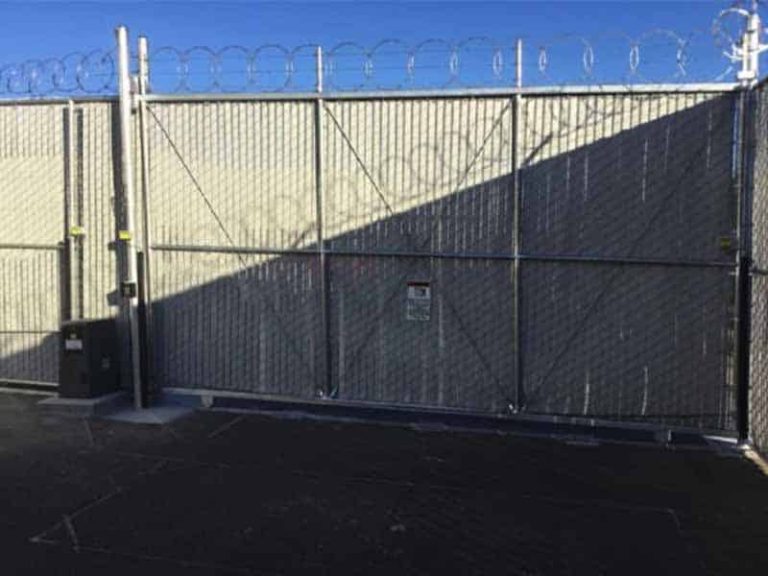
Securing a commercial property begins at the perimeter, because the boundary is only as strong as its most accessible point. While fencing clearly defines where your site starts and ends, the gate is the most likely point of entry, which is why an automatic entrance is a powerful upgrade. With an automatic system in place, a routine driveway or entry lane becomes a monitored, controlled access point, since movement in and out is managed on your terms.
Installing an automatic gate for a commercial site goes beyond convenience, because it adds a purposeful layer of security while supporting smoother daily operations. The value isn’t limited to keeping unauthorized visitors out; it also helps safeguard employees, protect equipment and inventory, and reinforce the overall strength of your property, which can contribute to long-term confidence in the space. It also highlights the importance of automatic gate repair and installation, because a system that’s set up correctly and kept working reliably is what maintains that protection day after day. Most importantly, it brings steadier peace of mind, because you know your perimeter remains protected around the clock.
Why Automatic Gates Are Essential for Commercial Perimeter Safety
Automatic gates play a central role in modern commercial security because they act as a reliable gatekeeper for the entire site rather than a simple barrier at the edge of the driveway. Unlike manual gates that can be left open or unsecured during busy hours, an automatic gate maintains consistent control over entry points, which helps keep the perimeter protected even when attention is divided. By creating a steady, immediate boundary at the property line, they stop unauthorized vehicles and pedestrians before they move deeper into your space, reinforcing the message that access is managed and the site is not easy to breach.
The strength of automatic gates also comes from their adaptability, since commercial properties vary widely in layout, traffic patterns, and operational needs. Sliding or swinging configurations let you match the gate style to the physical footprint and flow of your property, while today’s systems support advanced security layers that extend beyond the gate itself. Features such as keypad entry, intercom communication, and surveillance integration can be integrated into the access point, so your perimeter functions as a single, connected line of defense rather than separate components operating in isolation. When the goal is to close security gaps and establish a visible standard of protection, automatic gates stand out as a practical choice, because they combine control, flexibility, and deterrence in a way manual gates simply can’t match.
For more insight, check out our blog, “What Are the Benefits of Automatic Gates for Business Security?”
Closing Security Gaps With Automatic Gate Systems
One of the most common weaknesses in commercial security is human error, because even well-meaning staff can forget to close or lock a gate during peak activity. Automatic gate systems reduce that risk by handling closure through automation, which keeps the perimeter from being left open by mistake. With a system that resets itself after each entry, access becomes predictable and consistent, limiting opportunities for unauthorized movement that might otherwise slip through during routine lapses.
Beyond preventing accidental exposure, automatic gates establish a clear checkpoint at the boundary because every vehicle or individual must pass through a defined control point before entering the property. Instead of allowing open movement across the site, the gate creates a moment where permission is required, giving you authority over who comes in and who stays out. That control becomes even stronger when the gate serves as the first link in a broader security setup, since communication and monitoring tools can be tied directly to the entrance. Intercom systems allow staff to confirm visitors before entry, surveillance captures and documents traffic in real time, and credential-based access ensures authorized users move through efficiently, all of which turn the gate into an intelligent security hub rather than a standalone obstacle.
Automatic Gate Operators Create Stronger Deterrence at Entry Points
A well-built automatic gate discourages intrusion before it begins, because its presence signals that the property is actively protected and not casually accessible. Automatic gate operators strengthen that message by moving the gate with steady, forceful control, which makes the entrance feel difficult to challenge and time-consuming to breach. When people see a powered gate securing a commercial entry, they read it as a sign of serious access control, since a site that invests in automated perimeter security is unlikely to leave other vulnerabilities unchecked.
This deterrent effect works on multiple levels because automatic gates change both the physical reality of access and the perception of security at the boundary. They don’t just close off a driveway; automatic gates establish a controlled threshold that feels monitored and intentional, which lowers the chances of trespassing, theft, or unauthorized vehicle entry. In practice, a closed automated gate sets the tone for the entire site, because it tells everyone who approaches that entry is managed, movements are observed, and the perimeter is not open for casual crossing.
The feeling of safety you get from an automatic gate comes from:
- Physical Obstruction: A closed automatic gate blocks the path and resists forced movement, which makes unauthorized entry difficult from the start.
- Perception of High Security: A gate powered by automatic gate operators signals stronger protection, because it suggests active monitoring and structured access.
- Controlled Access: Entry is regulated by automatic gate systems, ensuring that access is approved, tracked, and not freely available.
How Automatic Gate Openers Improve Access Control
Automatic gate openers put you in charge of who enters and exits your property, because they function as active access-control tools rather than simple barriers. With the right setup, employees, visitors, and deliveries move through the site only when entry is approved, which means you keep the final say on access instead of leaving it to chance. That steady control protects the perimeter by preventing anyone from passing through without permission, since the entrance stays secured until the system allows it to open.
Today’s automatic gate openers support several activation methods, so entry can be managed through key fobs, smartphones, or a building’s access platform, depending on what fits your operation best. What matters most is consistent performance from the gate motor, because commercial entry points often see frequent use and still need to respond reliably throughout the day. Once this technology is in place, you gain a clear, dependable boundary for your site, since access at the property edge is no longer informal or untracked.
For a fuller view of where this control matters most, read “Automatic Gates in Business Security Plans: Where They Make the Biggest Impact.”
Preventing Unauthorized Entry Using Automatic Gates
Preventing unauthorized entry is at the heart of perimeter safety, where automatic gates deliver the greatest value. These systems keep the entrance closed by default, so access happens only when approval is given, unlike manual gates that can be left open and create unnecessary exposure. After an authorized vehicle or person passes through, the gate returns to a secure position automatically, which reduces the risk of accidental entry gaps during busy hours.
Automatic gates become even more effective when paired with access credentials and tracking, because businesses often need a higher level of verification than residential sites. When each authorized user has a unique way to enter, activity is easier to document and review if questions arise, since entry records create clear accountability over time. In this role, the gate serves as the first checkpoint in your security chain, allowing you to verify visitors before they reach sensitive areas, reducing risk to staff, assets, and daily operations.
Automatic Gate for Driveway and Facility Entrances Supports Controlled Movement
An automatic gate for driveway and facility entrances protects more than the perimeter, because it also helps control how vehicles move through your property. For commercial sites handling frequent traffic, an automated entry point keeps arrivals and departures organized, reducing confusion at the curb and preventing congestion inside the lot. With consistent opening and closing cycles, vehicles flow in a predictable way, which makes access smoother for everyone using the space.
Choosing a gate style and operator that matches your layout supports that control, since driveway size, traffic volume, and vehicle type all shape what will work best. A sliding setup often suits wider commercial lanes or heavier vehicles, while swing gates may fit sites where traffic is lighter, or space is configured differently, with the shared goal of smooth, safe, and dependable movement. When the system is aligned to the property, it reinforces order at the entrance in a few clear ways:
- The gate defines distinct entry and exit points, which keep vehicles from getting tangled or stalled.
- It supports separate lanes for different users, so visitors and staff move with less confusion.
- It allows controlled open periods during high activity, while restoring secure closure after hours.
- It creates a checkpoint where vehicles pause briefly, since access is verified before entry.
To keep that flow reliable, the system needs regular gate maintenance, because consistent operation depends on keeping automatic gate operators in strong working condition and preventing breakdowns that could interrupt access or slow daily activity.
Long-Term Safety Depends on Gate Installation and Gate Maintenance
Long-term safety of an automatic gate system depends on how well it’s installed and how consistently it’s maintained, because even the strongest gate can only protect a property when it operates as designed. If installation is rushed or inaccurate, the system may struggle to open and close smoothly, which creates wear, breakdowns, and security gaps that weaken perimeter protection over time. That’s why choosing an experienced team matters for commercial properties, since the gate is expected to perform reliably under heavy daily use and changing conditions.
After installation, reliability depends on regular gate maintenance alone, as automatic gates are high-use mechanical systems exposed to daily traffic and weather. When upkeep is neglected, small issues can escalate into failures that disrupt access control and compromise security, while regular maintenance keeps the system responsive, durable, and dependable year after year.
For more on the deterrent power that dependable gates create, read “Automatic Gates as Deterrents: How They Influence Criminal Behavior.”
Proper Gate Installation Keeps Automatic Gates Reliable
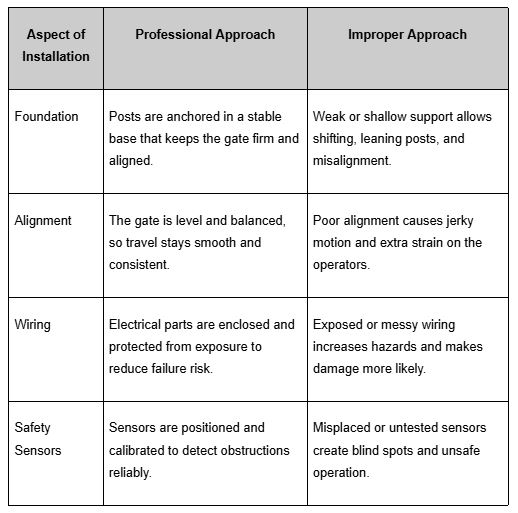
Reliability begins with proper gate installation, because every component has to work together as a single system rather than separate parts. When the gate, operators, sensors, and controls are fitted and calibrated correctly, movement stays smooth and predictable from day one, which lowers mechanical strain and reduces safety risks at the entry point. A strong installation also accounts for the site itself, since grade, spacing, and power alignment shape how the gate performs once it enters daily commercial use.
The difference between a professional installation and a subpar one is easy to see over time, because quality at the setup stage determines how well the gate holds alignment, handles wear, and protects the entrance, including the reliable performance of swing gate operators.
Automatic Gate Repair and Gate Maintenance Preserve Secure Operation Over Time
Regular gate maintenance keeps an automatic gate secure and dependable after installation, because small problems can turn into safety risks if they’re left unchecked. The right schedule depends on how often the gate is used, the system type, and local conditions, since wear builds differently at every site. Even low-maintenance automatic gates can develop faults over time, which is why timely automatic gate repair helps prevent downtime and keeps access control consistent. In the end, maintaining the gate protects your perimeter every day, because a gate that doesn’t work creates an opening where security should be strongest.
Automatic gates play a key role in strengthening perimeter safety for commercial properties because they close off security gaps, discourage unauthorized entry, and keep generally approved traffic moving in an orderly way. Their value holds up over time only when gate installation is handled correctly and gate maintenance is kept consistent, since even a strong system can’t protect a site if it isn’t operating as designed. As more businesses prioritize reliable access control, automatic gate systems have become a practical component of broader security planning, making it worth understanding both the benefits they deliver and the ongoing maintenance they require to remain dependable over the long term.
For Sacramento businesses looking to reinforce perimeter protection with dependable automatic gates, R&S Overhead Doors & Gates of Sacramento, Inc. provides the experience and local expertise to ensure secure, smooth access across commercial sites. From planning the right automatic gate system for your layout to keeping it performing reliably over time, our team helps ensure your entrance stays controlled, visible, and built for real-world commercial demands. Contact us today or give us a call to discuss your property’s needs and schedule a consultation.
Frequently Asked Questions
Can automatic gate systems be tailored to fit specific commercial property requirements?
Yes, automatic gate systems can be tailored for commercial sites by matching the design, size, materials, and operating style to your layout and security needs. Whether the property requires a space-saving slider or a wide-swing entrance, the right configuration can be selected and built to provide both protection and daily access.
What determines how often automatic gates need gate maintenance or automatic gate repair?
Maintenance and repair frequency depends on gate usage, system complexity, and local conditions, as heavier traffic and harsher weather accelerate wear on mechanical and electrical components. A consistent service schedule keeps performance reliable and reduces unexpected interruptions.
Do automatic gates integrate smoothly with existing commercial security systems?
Yes, automatic gates integrate with other security tools because modern systems are designed to connect with surveillance, credential access, and intercom controls. When tied together, the gate becomes part of a unified perimeter setup instead of a standalone barrier.
What are automatic gates, and how do automatic gate operators function in commercial properties?
Automatic gates are powered entry barriers that open and close without manual effort, as explained by Wikipedia, because automatic gate operators handle the movement once a valid access signal is received. In commercial settings, the operator responds to approved inputs such as keypads or sensors, which keep entry points controlled and traffic flow consistent across the property.
Why use automatic gate systems for your commercial property?
Automatic slider gate systems are ideal for tight or wide commercial entrances, because they move along the fence line instead of swinging into usable space. They also suit heavy traffic and large vehicles, since the sliding motion supports strong, stable perimeter control.
What security features can be added to automatic gate openers to strengthen perimeter safety?
Automatic gate openers can support added security layers because they work with credential entry, intercom verification, and camera oversight. These features tighten control at the gate while improving visibility over who enters and when.
What are common issues that cause automatic gate operators to malfunction in commercial settings?
Operator malfunctions are often caused by obstructions, power faults, sensor misalignment, or motor strain, because commercial gates cycle frequently and face constant exposure. Environmental factors like heat, rain, or debris can speed up wear and interfere with smooth operation.
Can a commercial property automate an existing manual gate with an automatic gate opener?
Yes, many manual gates can be automated because an automatic gate opener can be added when the existing gate is structurally sound and moves correctly. This allows a property to gain controlled access without replacing the entire gate.
Are automatic gates considered high-maintenance for businesses, and what role does gate maintenance play?
Automatic gates are generally low-maintenance but not maintenance-free, as outlined by Gate Safe, because regular gate maintenance prevents minor wear issues from turning into operational failures that weaken security. With consistent upkeep in place, reliability stays high, and system life is extended, which keeps perimeter protection steady for daily business use.
How do automatic gates for perimeter entry, including an automatic gate for the driveway, affect commercial privacy and security?
Automatic gates enhance privacy and security by restricting casual access and creating a clear checkpoint before anyone reaches the property. With controlled entry at driveways and main lanes, businesses reduce unwanted presence while keeping daily movement organized.